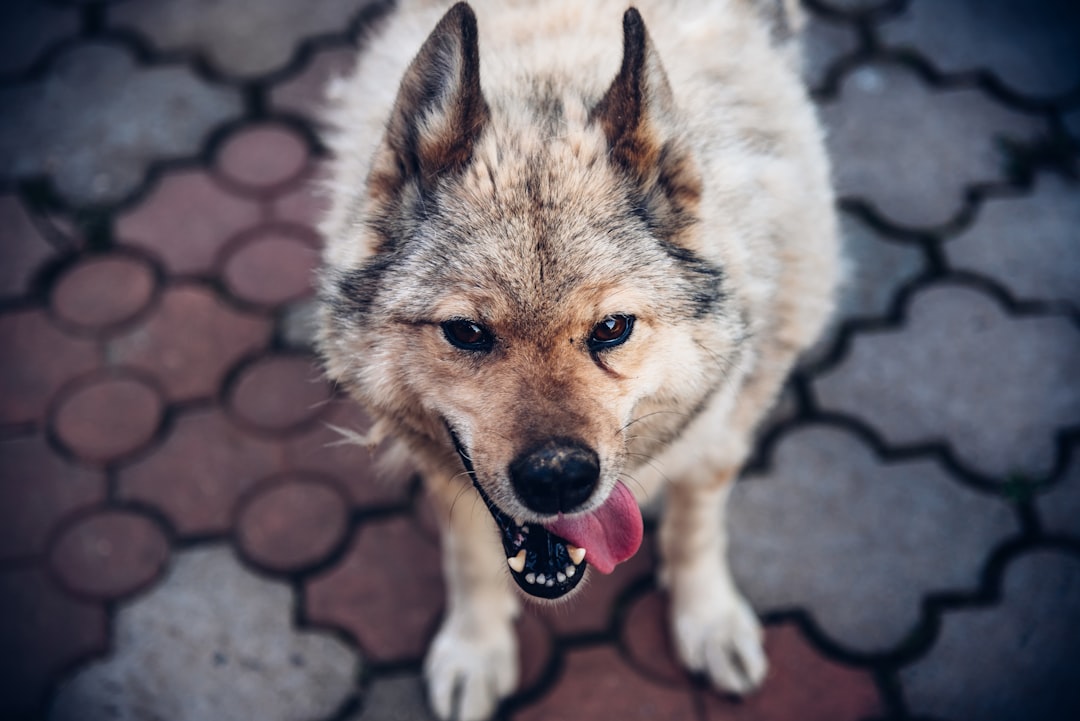
You spot another dog walking on the opposite side of the street, and your stomach immediately drops. Your grip tightens on the leash, your heart rate spikes, and within seconds, your dog erupts into a whirlwind of barking, lunging, and bared teeth. If you dread daily walks or feel trapped in your own home, you are not alone—and more importantly, your dog is not broken.
Aggression is one of the most misunderstood behaviors in the canine world. Traditional wisdom often tells owners that aggressive dogs simply need "more exposure" or a firmer hand. In reality, throwing a reactive dog into high-stress social environments like dog parks usually makes the problem significantly worse. Successfully learning how to socialize an aggressive dog is not about forcing interactions; it is about systematically reshaping your dog's emotional response to the world around them.
Key Takeaway: True socialization for an aggressive or reactive dog does not mean forcing them to greet other dogs or strangers. Success means helping your dog achieve calm neutrality in the presence of triggers while maintaining a safe distance.
Understanding the Root Causes of Dog Aggression
Before implementing any training protocol, you must understand why the behavior exists. True, unprovoked predatory aggression is exceptionally rare in domestic dogs. The vast majority of aggressive displays are rooted in fear, insecurity, frustration, or past trauma.
According to research from the ASPCA on canine aggression issues, fearful dogs exhibit aggressive behaviors when they feel trapped or believe that an offensive display is their only method to make a perceived threat retreat.
Identifying Your Dog's Specific Triggers
Aggression rarely happens in a vacuum. Dogs usually have specific triggers that push them over their emotional threshold. Pinpointing these triggers allows you to control the training environment effectively:
- Other Dogs: On-leash only, off-leash only, specific sizes, or intact males.
- Strangers: Men, children, people wearing hats, or people carrying large objects.
- Environmental Stimuli: Bicycles, skateboards, delivery trucks, or sudden loud noises.
- Resource Guarding: Possessiveness over food, toys, sleeping spots, or their favorite human.
Recognizing Subtle Body Language Before the Eruption
A dog does not go from zero to lunging without giving subtle signals first. Learning to read micro-signals of canine body language cues helps you intervene before your dog crosses into an explosive state. Watch for these early indicators of stress:
- Hard, fixed staring (laser-focused eye contact on the trigger)
- Sudden body stiffness or freezing in place
- Closed mouth with tight lips and rapid panting
- Whale eye (showing the whites of the eyes)
- Tucked tail or a stiff, high-held tail vibrating rapidly
- Lip licking, yawning, or sudden ground sniffing out of context
The Safety-First Foundation: Tools and Management
Attempting behavior modification without proper safety measures endangers you, your dog, and the public. Implementing safety tools also lowers your personal anxiety, which directly translates down the leash to your dog.
1. Basket Muzzle Conditioning (The Stigma-Free Tool)
A basket muzzle is the single most valuable safety tool when working with a reactive dog. Unlike restrictive fabric groomer muzzles, a properly fitted basket muzzle allows your dog to pant freely, drink water, and accept training treats comfortably.
Never slap a muzzle on your dog right before a stressful event. Instead, condition the muzzle positively over two to three weeks. Smear peanut butter or squeeze cheese inside the basket, allowing your dog to willingly insert their snout. Gradually build duration until wearing the muzzle represents high-value rewards rather than punishment.
2. Secure Handling Equipment
Ditch retractable leashes, slip leads, and prong collars. When you prepare to socialize aggressive dog triggers, physical control and communication clarity are paramount. Use:
- A front-attaching, padded Y-harness to redirect forward momentum without choking.
- A sturdy six-foot non-slip nylon or biothane leash.
- A secondary backup clip connecting your harness to a secure flat collar for fail-safe containment.
The 4-Step Framework to Safely Socialize an Aggressive Dog
Rehabilitating an aggressive dog requires two foundational behavioral principles: desensitization (gradual exposure at low intensities) and counterconditioning (pairing the trigger with overwhelmingly positive rewards to rewrite emotional associations).
Step 1: Determine Your Dog's "Sub-Threshold" Distance
The "threshold" is the exact distance at which your dog transitions from calm observation to stress or aggression. If your dog is barking, growling, or refusing treats, they are over threshold. In this neurological state, the brain is flooded with cortisol and adrenaline, making learning impossible.
Find your starting baseline. If your dog reacts to other dogs at 50 feet, your training baseline is 75 feet. At this distance, your dog can see the trigger, acknowledge it, and still eat treats and respond to cues.
Step 2: Classical Counterconditioning (Open Bar / Closed Bar)
This technique transforms the meaning of the trigger from a threat into a predictor of incredible rewards. It follows a simple, repeatable sequence:
- Position your dog at a safe, sub-threshold distance in an open, low-traffic area (like an empty park corner or quiet parking lot).
- The moment the trigger appears in your dog's line of sight, the "bar opens": immediately feed a continuous stream of high-value treats (real chicken breast, hot dog slices, freeze-dried liver).
- As soon as the trigger moves out of sight, the "bar closes": stop feeding treats instantly and become uninteresting.
Over dozens of repetitions, your dog's internal calculation shifts from "A dog is approaching, I must defend myself" to "A dog is approaching, amazing food happens!" This foundational approach is a cornerstone of modern positive reinforcement training methods.
Step 3: Implement Controlled Parallel Walking
Never walk an aggressive dog directly toward an oncoming dog—head-on approaches are perceived as direct challenges in canine communication. Instead, utilize parallel walking with a neutral helper dog.
Walk both dogs in the same direction, separated by a wide, safe buffer zone (e.g., across a wide field or opposing sides of a quiet suburban street). Parallel movement encourages pack behavior and allows your dog to observe the other animal moving naturally without direct conflict pressure. Gradually decrease the lateral distance over multiple sessions as long as both dogs remain relaxed.
Step 4: Teach the 'Look at That' (LAT) Game
Developed by renowned trainer Leslie McDevitt, the "Look at That" game teaches your dog to look at a trigger and voluntarily disengage to check back in with you:
- When your dog spots the trigger at a safe distance, say a neutral marker word (such as "Yes!") or click.
- Deliver a high-value treat to your dog's mouth.
- Your dog will naturally turn their head back toward you to collect the reward.
- Repeat. Soon, your dog will look at a trigger and immediately turn their head toward you expectantly, replacing the aggressive reaction with an automatic check-in.
Key Takeaway: Behavior modification requires patience. If your dog has a reactive outburst, do not scold them. Simply perform an immediate emergency U-turn, increase distance until they regain focus, and reset your baseline further away.
Critical Mistakes That Derail Socialization Progress
Working to socialize aggressive dog candidates requires consistency. Avoiding these common missteps will protect your progress and prevent dangerous setbacks:
- Using Flooding: Flooding means exposing a dog to an overwhelming level of their trigger with no escape (such as taking a reactive dog to a dog park or busy pet store). Flooding induces learned helplessness or severe panic, dramatically increasing bite risk.
- Applying Physical Corrections: Correcting a growl with a leash pop, shock collar, or verbal scolding suppresses the dog's early warning system without addressing the underlying fear. If you punish the growl, your dog may skip the warning and go straight to biting next time.
- Rushing Distance Reductions: Progress in desensitization is measured in feet and inches over months, not days. Decreasing distance too rapidly will trigger fear regressions.
- Inconsistent Leash Handling: Tensing the leash, jerking, or panicking signals immediate danger to your dog. Practice deep breathing and keep a relaxed, loose leash whenever the dog is sub-threshold. Learn more about proactive management in our guide to managing leash reactivity.
When to Hire a Certified Behavior Professional
Some cases of canine aggression carry high safety risks that should not be managed alone. If your dog has a history of inflicting breaking-skin puncture wounds, directs aggression toward household members, or displays sudden unpredictable reactivity, seek professional intervention immediately.
Ensure you work with a certified professional possessing verifiable credentials in science-based behavior modification, such as:
- CDBC: Certified Dog Behavior Consultant (via IAABC)
- CBCC-KA: Certified Behavior Consultant Canine (via CCPDT)
- DACVB: Diplomate of the American College of Veterinary Behaviorists (board-certified veterinary behaviorist)
What You Can Do Today: Take Action in the Next 24 Hours
The journey to socialize aggressive dog behaviors is a marathon, but real progress begins with a single, controlled step. Here is your actionable blueprint for today:
- Create a Trigger Log: Take a notebook and write down your dog's exact triggers, the estimated distance at which they react, and what early stress signals they display before barking or lunging.
- Source High-Value Rewards: Regular kibble or dry biscuits will not cut it for counterconditioning. Prepare bite-sized pieces of real roasted turkey, string cheese, or beef liver.
- Adjust Your Walking Schedule: For the next seven days, walk your dog during off-peak hours (early mornings or late evenings) and choose wide-open, low-traffic routes. Giving your dog a break from daily adrenaline surges clears built-up cortisol and sets the stage for calm, effective socialization.

Written by
Nibedita Basu
English graduate and social worker with a passion for creating a warm, happy, and meaningful life. I write about Home, Food, and Pets — sharing practical ideas, everyday inspiration, and simple joys that make life more comfortable, wholesome, and fulfilling.