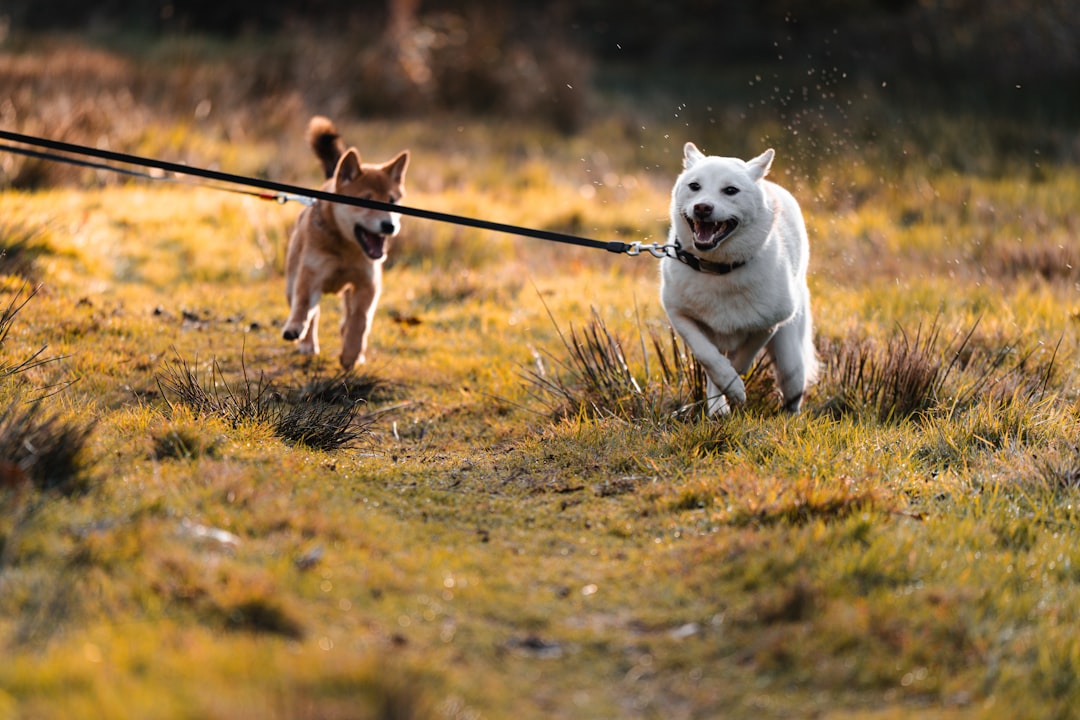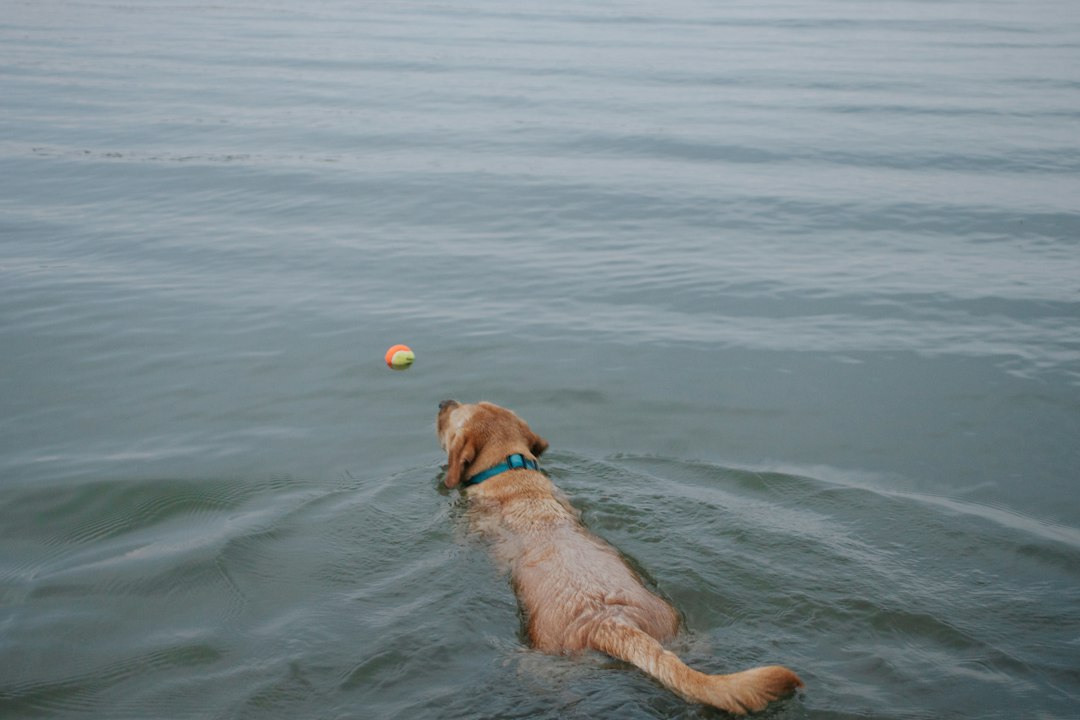
Toss a dog into a lake and instinct takes over, right? That dangerous myth costs pet owners thousands of avoidable emergency vet visits every summer. While popular culture depicts every canine as a born dock-diver, the reality is stark: many dogs cannot naturally swim, and even athletic breeds can panic, exhaust themselves, and drown within minutes without proper guidance.
Certain physical builds—such as the barrel chests and short snouts of French Bulldogs, Boxers, and Pugs—make natural buoyancy nearly impossible. Even water-loving breeds like Golden Retrievers and Labradors need structured socialization to navigate waves, learn how to locate swimming pool steps, and build aquatic stamina. Structured dog swimming safety training transforms a potentially terrifying experience into a confidence-building workout that strengthens your bond and protects your pet from aquatic hazards.
Key Takeaway: Never assume your dog knows how to swim. Canine water confidence is a learned skill built on gradual desensitization, proper buoyancy gear, and dedicated exit-strategy training.
Phase 1: Pre-Water Assessment and Essential Gear
Before introducing your dog to open water, you need to assess their physical conformation, health status, and temperament. Rushing this step is the fastest way to create a lifelong phobia of water.
Understanding Your Dog's Buoyancy Profile
Anatomically, dogs fall into three general swimming categories:
- Natural Swimmers: Breeds with water-resistant coats, webbed paws, and balanced weight distribution (e.g., Labrador Retrievers, Newfoundlands, Standard Poodles, Portuguese Water Dogs).
- Physical Non-Swimmers: Brachycephalic (flat-faced) breeds, dogs with dense bone structures, disproportionately large heads, or short legs (e.g., Bulldogs, Bassets, Dachshunds, Corgis). These dogs must always wear a personal flotation device (PFD) near water.
- Hesitant Learners: Lean or low-body-fat breeds like Greyhounds and Whippets who chill quickly, or rescue dogs with no prior exposure to water bodies.
According to the American Kennel Club's guide on canine water safety, anatomical structure heavily dictates swimming ability, making safety gear essential regardless of natural drive.
Selecting the Right Canine Life Jacket
A properly fitted canine PFD is non-negotiable for comprehensive dog swimming safety training. Look for these specific features:
- Durable Top Rescue Handle: Allows you to quickly lift your dog out of the water or guide their body position.
- Bright Visibility Colors and Reflective Trim: Keeps your dog visible in murky water, low light, or choppy lake conditions.
- Front Neck Float Support: A padded chin flap that keeps your dog's snout elevated above the water line if they tire.
- Secure Fastening System: Wide neoprene belly bands reinforced with heavy-duty quick-release buckles.
Pair this gear with a 15- to 30-foot waterproof biothane long line (avoid retractable leashes, which can tangle and create underwater snag hazards) and high-value floating retrieval toys. Preparing your dog with appropriate enrichment games and positive reinforcement tools makes the learning process significantly smoother.
Phase 2: Step-by-Step Water Introduction Plan
Patience dictates success. Break your training into small, low-stress milestones across several short sessions (10 to 15 minutes each).
Step 1: Dry Land Gear Conditioning
Never put a life jacket on your dog for the first time at the beach. Introduce the vest indoors over 3–4 days:
- Lay the PFD on the floor and scatter high-value treats around and on top of it.
- Drape the vest gently over your dog's back, feed a high-value treat, and remove it immediately.
- Fasten the belly and chest straps loosely, rewarding continuously while your dog walks around the living room.
- Gradually tighten the straps to a snug fit (you should fit two fingers flat between the strap and their body) until they move freely without stiffness.
Step 2: Mastering Zero-Depth Entry
The biggest psychological hurdle for dogs is the sudden drop-off. Choose a location with a gentle, gradual slope, such as a calm, current-free lake cove, a dog-friendly splash pad, or a pool with wide, shallow walk-in steps.
Walk parallel to the shoreline, letting your dog choose to dip their paws into ankle-deep water. Scatter floating treats or toss a favorite toy just inches from the water's edge. Never drag, push, or carry a reluctant dog into the water. Forcing entry triggers panic, causing immediate paw-flailing and vertical splashing that accelerates sinking.
Step 3: The Supported First Float
Once your dog willingly wades in chest-deep, encourage them to take one or two floating strides toward you:
- Wade into the water facing your dog.
- Hold the top handle of their life jacket with one hand while gently supporting their lower abdomen/hindquarters with your other forearm.
- Encourage them forward until their paws leave the substrate.
- Ensure their body remains horizontal. If their rear end sinks, their front paws will slap at the water (the "panic splash"). Gently lift the hindquarters to level out their spine.
- Guide them in a gentle 180-degree turn back toward the shallow bank after just 5–10 seconds of floating.
Pairing positive aquatic training with foundational leash manners and focus cues ensures your dog stays responsive even in highly stimulating outdoor environments.
Step 4: Swimming Pool Exit Training
If training in a residential swimming pool, teaching the exit location is the single most critical safety skill you can impart. Dogs cannot climb vertical pool ladders; they must locate the built-in steps or a specialized canine ramp.
Place a high-contrast visual marker (such as a brightly colored cone, tall plant, or decorative flag) next to the shallow-end steps. During every single training repetition, guide your dog directly to the steps to exit. Practice approaching the steps from multiple angles in the pool until your dog instinctively steers toward the visual marker whenever they are in the deep end.
Key Takeaway: In swimming pools, dogs don't drown from swimming—they drown from exhaustion when they cannot find the exit. Always teach and reinforce the visual exit marker before allowing free swimming.
Phase 3: Critical Water Hazards Every Dog Owner Must Prevent
Effective dog swimming safety training extends beyond the mechanics of paddling. Environmental awareness prevents life-threatening medical emergencies.
Water Intoxication (Hyponatremia)
Dogs that bite at waves, retrieve balls repeatedly with wide-open mouths, or bite sprinkler jets can ingest dangerous amounts of water. This dilutes blood sodium levels, leading to brain swelling, lethargy, vomiting, seizures, and coma.
- Prevention: Use flat floating discs rather than round, porous tennis balls that hold water. Limit retrieve sessions to 10-minute intervals with forced resting periods.
Secondary (Near) Drowning
If your dog inhales even a small amount of water during a panicked paddle, fluid can accumulate in the lungs hours later, causing pulmonary edema. Monitor your dog for 24 to 48 hours after swimming for signs of persistent coughing, shallow breathing, extreme lethargy, or pale/blue gums.
Toxic Blue-Green Algae (Cyanobacteria)
Warm, stagnant freshwater bodies can harbor microcystins produced by cyanobacteria blooms. Ingesting or licking fur contaminated with this toxic scum can cause fatal liver failure within hours. Avoid any water that looks like pea soup, has a bluish-green paint sheen, or carries a foul odor.
Submersion Temperature and "Swimmer's Tail"
Cold water can cause acute exhaustion and hypothermia, as well as acute caudal myopathy (commonly called limber tail or swimmer's tail). This painful muscle sprain at the base of the tail occurs after strenuous swimming in cold conditions. Keep early season swims short and dry your dog thoroughly immediately afterward. Keeping a dedicated pet first-aid kit on hand, along with knowledge of essential pet emergency care protocols, provides crucial peace of mind during outdoor adventures.
Phase 4: Post-Swim Hygiene and Maintenance
Proper post-swim care protects your dog's skin, ears, and coat from secondary infections:
- Freshwater Rinse: Always hose down your dog after swimming to remove chlorine, salt, pond debris, and biological contaminants that dry out the skin or cause contact dermatitis.
- Ear Canal Care: Floppy-eared breeds are prone to yeast and bacterial otitis externa after water exposure. Dry the ear flaps thoroughly and administer a veterinarian-approved drying ear cleaner to evaporate trapped moisture in the horizontal canal.
- Hydration Replacement: Offer fresh, clean drinking water immediately so your dog is not tempted to drink from lakes, pools, or ocean surf.
Your Action Step for Today
Take the first step in your dog swimming safety training right now: measure your dog's neck, widest chest circumference (girth), and back length with a soft measuring tape. Use these exact measurements to order a high-visibility, dual-handle canine life jacket. When it arrives, begin indoor positive association training on the living room floor before setting foot near the water this season.

Written by
Nibedita Basu
English graduate and social worker with a passion for creating a warm, happy, and meaningful life. I write about Home, Food, and Pets — sharing practical ideas, everyday inspiration, and simple joys that make life more comfortable, wholesome, and fulfilling.