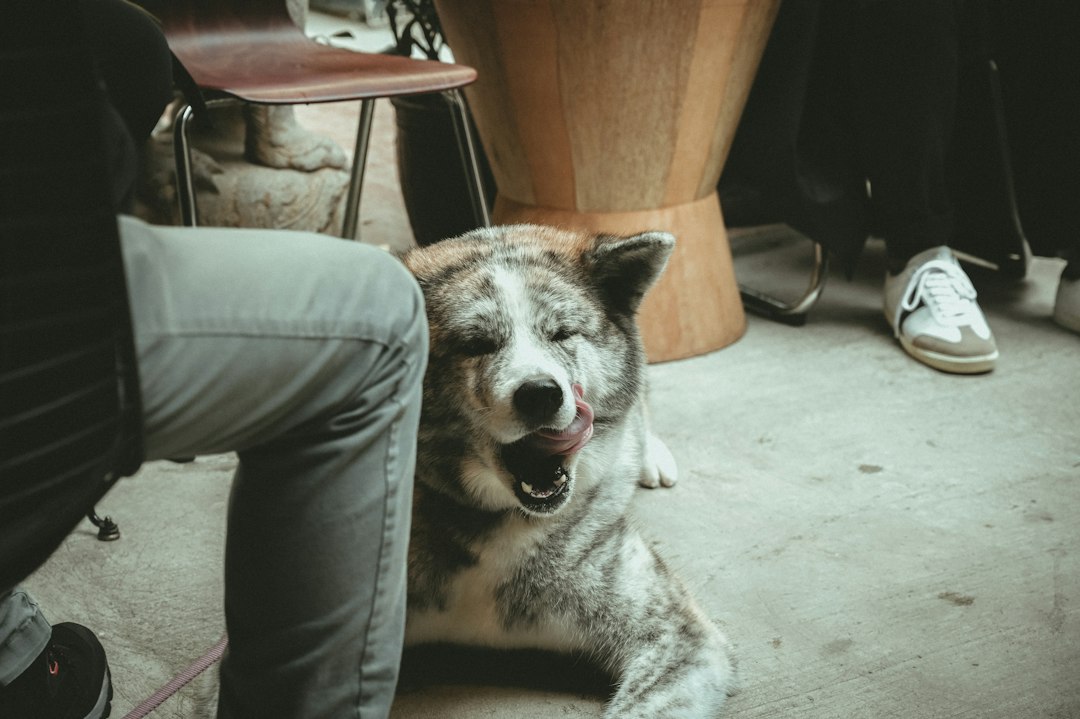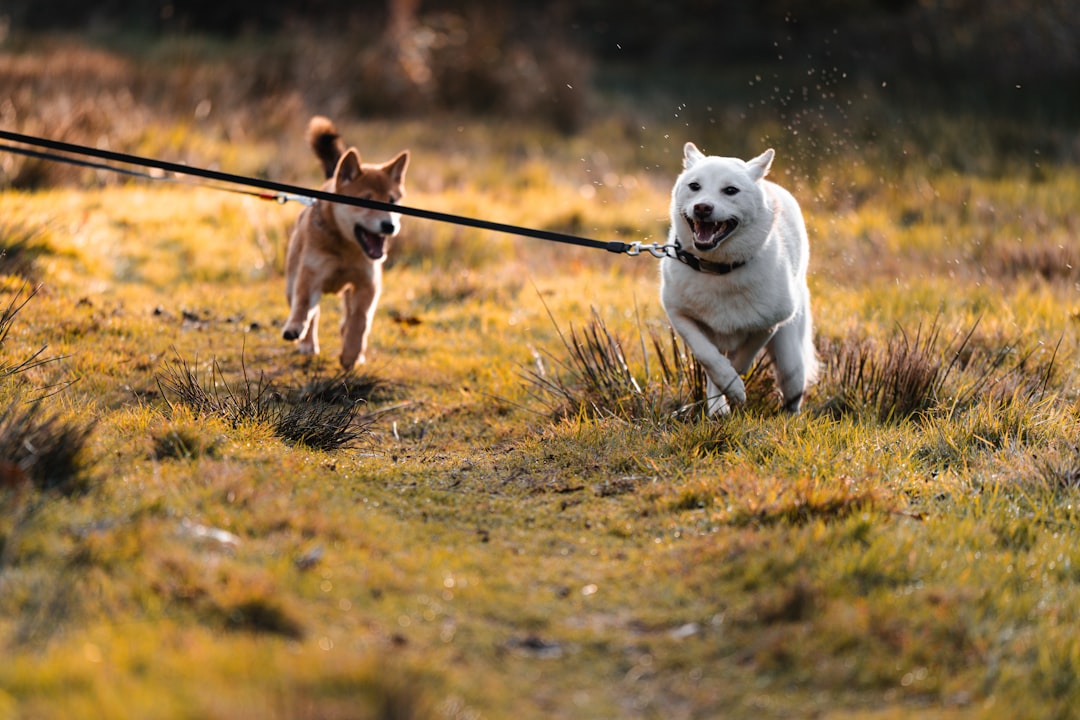
A delivery van pulls onto your street, a neighbor closes their car door, or a rogue squirrel dares to cross the fence line. Instantly, your living room erupts into piercing, relentless barking. If your heart rate spikes every time someone knocks on the front door, you are far from alone.
Barking is an entirely natural canine communication tool. Dogs use vocalizations to alert their pack, express frustration, demand attention, and signal fear. However, when barking shifts from occasional communication to a non-stop soundtrack, it frays nerves, annoys neighbors, and creates chronic stress for both you and your pet. Fortunately, effective dog training to stop barking does not require shouting, shock collars, or frustration. It simply requires understanding why your dog is vocalizing and systematically teaching them a better alternative.
Key Takeaway: Dogs never bark without a reason. Shouting "Quiet!" sounds like barking along to your dog. To permanently change the behavior, identify the trigger, manage the environment, and reward the calm behavior you want to see.
Why Dogs Bark (And Why Yelling Back Fails)
Before implementing any training protocol, you must identify the underlying motivation behind the noise. Barking is a symptom, not the root problem. Treating alert barking the same way you treat boredom barking will yield little to no progress.
1. Alert and Territorial Barking
This occurs when a dog perceives an intruder approaching their territory—whether that is your living room, yard, or car. The trigger could be postal carriers, passing dogs, or footsteps in an apartment hallway. In the dog's mind, the behavior works every single time: they bark at the mail carrier, the mail carrier walks away, and the dog believes their alarm successfully defended the home.
2. Demand and Attention-Seeking Barking
Does your dog stare directly at you and let out sharp, rhythmic barks while you sit on the couch, prep dinner, or hold a tennis ball? That is demand barking. Dogs repeat behaviors that earn rewards; if barking previously caused you to toss a toy, open the backdoor, or hand over a treat, your dog has learned that making noise produces results.
3. Fear, Frustration, and Barrier Reactivity
When dogs are on a leash or behind a physical fence, they cannot retreat from stimuli that make them uncomfortable. This lack of control often triggers barrier frustration, which manifests as lunging, whining, and frantic barking. Similarly, dogs dealing with underlying stress or calming separation anxiety in dogs vocalize out of genuine panic when left alone.
4. Boredom and Under-Stimulation
Dogs are active, intelligent animals bred for working, herding, hunting, and guarding. When left in an empty backyard or confined indoors with zero cognitive stimulation, barking becomes a self-soothing game. The sound itself releases built-up energy and breaks the monotony of the day.
The "Barking Back" Trap
When your dog starts barking, human instinct is often to raise your voice and shout "No!", "Stop it!", or "Quiet!". To a canine, a raised, frantic voice does not register as discipline. Instead, your dog assumes you are joining in on the alarm. Yelling escalates the household energy, reinforcing the idea that whatever triggered the barking is indeed a major event requiring maximum volume.
5 Proven Methods for Dog Training: Stop Barking at the Source
Successful dog training to stop barking relies on positive reinforcement and antecedent arrangement—altering the environment so the unwanted behavior happens less often while teaching an incompatible replacement behavior.
Method 1: Environmental Management (Remove the Visual Triggers)
The fastest way to reduce alert barking is to eliminate the visual cues that trigger it. Every time your dog practices barking at a window, the neural pathway reinforcing that behavior grows stronger. Immediate management steps include:
- Static Cling Window Film: Apply opaque or frosted film to the lower half of street-facing windows. Your room retains natural light, but your dog can no longer track passing pedestrians.
- Close Blinds and Curtains: Keep street-facing window coverings closed during peak foot-traffic hours.
- Sound Masking: Run a white noise machine, box fan, or soothing music near doors and windows to drown out subtle neighborhood sounds.
Method 2: The "Go to Place" Alternative Behavior
It is difficult for a dog to bark aggressively at the front door while simultaneously lying calmly on a dedicated mat in the corner. Training an incompatible behavior is one of the most reliable cornerstones of modern canine behavioral science.
Teach your dog that the doorbell or knock is a cue to run to a designated dog bed ("Place"), lie down, and wait for a high-value treat. By replacing the frantic dash to the entryway with a structured task, you channel their arousal into an orderly routine.
Method 3: Extinction for Demand Barking (The Cold Shoulder)
When demand barking strikes, any response—even negative attention like sighing or pushing your dog away—counts as a reward to your pet. To eliminate this habit:
- Freeze completely the moment the demand bark occurs.
- Break eye contact, cross your arms, turn your back, and look at the ceiling.
- Wait for at least 3 to 5 full seconds of complete silence.
- Immediately mark the silence with "Yes!" and give your dog the attention, toy, or food they wanted.
Warning: Expect an "extinction burst." When you first ignore demand barking, your dog will likely bark louder, faster, and longer to test if the old tactic still works. Stand firm. If you cave during the extinction burst, you accidentally train your dog that extreme persistence pays off.
Method 4: Mental Enrichment and Physical Exercise
A physically exhausted and mentally fulfilled dog is significantly quieter. A brisk 20-minute walk around the block only satisfies physical needs; incorporating mental enrichment games for high-energy dogs drains the mental reserves that fuel boredom barking.
Ditch traditional food bowls and feed daily kibble through puzzle toys, snuffle mats, frozen lick mats, and scatter-feeding in the grass. Engaging a dog's olfactory system activates parasympathetic nervous responses, lowering overall arousal and bark reactivity.
According to the American Kennel Club (AKC), teaching alternate behaviors and providing adequate mental stimulation are far more effective long-term strategies than attempting to punish vocalization after it starts.
Key Takeaway: Never punish fear-based or separation barking. Suppressing vocalizations without addressing the underlying anxiety leads to escalating stress, which often manifests as destructive chewing, house soiling, or defensive aggression.
Step-by-Step Guide: Teaching the "Quiet" Command
Teaching a reliable "Quiet" cue gives you a gentle, communicative way to interrupt barking without raising your voice. Here is the exact training progression:
- Step 1: Set Up a Controlled Trigger
Do not start training during an unexpected mail delivery when arousal is at a 10/10. Work with a helper who knocks gently on an interior wall or plays a low-volume doorbell sound on a smartphone. - Step 2: Let Them Bark Once or Twice
Allow 1–2 barks so your dog registers the alert. Acknowledge the alert quietly with a calm "Thank you." - Step 3: Lure with a High-Value Treat
Hold an irresistible, smelly treat (like freeze-dried liver, hot dog slivers, or string cheese) right in front of your dog's nose. Dogs cannot sniff and bark simultaneously. As soon as your dog stops barking to sniff the treat, wait 2 seconds. - Step 4: Label and Reward
Say the word "Quiet" in a clear, neutral tone. Feed the treat immediately. - Step 5: Gradually Increase Duration
Over multiple short sessions (3–5 minutes each), increase the required quiet time before delivering the treat—moving from 2 seconds of silence to 5, 10, and eventually 30 seconds before rewarding.
3 Critical Mistakes That Derail Bark Training
When starting a structured plan for dog training to stop barking, avoid these three widespread pitfalls:
1. Using Inconsistent Rules Across Family Members
If one family member lets the dog bark at the fence while another yells at them for it, the dog remains confused. Every human in the household must follow the same protocols regarding environmental management, ignoring demand barking, and cueing the "Quiet" command.
2. Relying on Anti-Bark Collars
Electronic shock collars, citronella sprays, and ultrasonic noisemakers rely on positive punishment. While they may temporarily suppress barking through startle or pain, they fail to teach the dog what to do instead. Worse, they frequently link the pain of the correction to the trigger (e.g., "Every time I see another dog, my neck hurts"), turning mild territorial barking into intense leash aggression.
3. Opening Crates or Doors During Barking
If your puppy is learning crate training fundamentals, letting them out while they are actively whining or barking cements the belief that noise equals freedom. Always wait for a minimum of 5 seconds of calm silence before unlatching the door.
Your Action Step for Today
Real behavioral change takes time, but you can dramatically lower household noise starting right now with one practical action:
Audit your dog's primary barking zone today. Walk to the window, sliding door, or fence line where your dog barks most frequently. If it is a window, pull the blinds or install temporary window film. If it is hallway noise, place a white noise machine or fan right outside the door. By removing the sensory trigger today, you instantly stop your dog from practicing the habit while you practice the "Quiet" and "Place" cues over the coming week.

Written by
Nibedita Basu
English graduate and social worker with a passion for creating a warm, happy, and meaningful life. I write about Home, Food, and Pets — sharing practical ideas, everyday inspiration, and simple joys that make life more comfortable, wholesome, and fulfilling.