You hit the mid-afternoon wall like clockwork. Your eyelids get heavy, your focus shatters, and you find yourself wandering into the kitchen hunting for a sugary snack or a third cup of coffee. It feels like an unavoidable part of the workday, but fatigue is rarely a caffeine deficiency—it is usually a blood sugar rollercoaster.
When you consume high-glycemic carbohydrates by themselves, your digestive system rapidly converts them into glucose. Your pancreas floods your bloodstream with insulin to clear that surge, causing your blood sugar to plummet just as fast as it spiked. That sudden drop is the biological trigger behind brain fog, irritability, and sudden exhaustion.
Choosing the best foods for energy isn't just about picking isolated superfoods; it is about combining nutrients strategically. By pairing slow-digesting carbohydrates with clean proteins, dietary fibers, and healthy fats, you blunt the glycemic spike and deliver a steady trickle of fuel to your brain and muscles all day long.
Key Takeaway: Energy crashes happen when carbohydrates are digested too quickly. Pairing complex carbs with protein and healthy fats slows gastric emptying, preventing the insulin spikes that leave you drained.
The Physiology of All-Day Energy: Why Food Pairing Matters
To understand why specific food pairings work, look at how your body extracts cellular energy. Inside your cells, the mitochondria convert macronutrients into adenosine triphosphate (ATP), the universal energy currency of the body. For this engine to run smoothly, it requires a steady supply of glucose alongside key micronutrients like magnesium, B vitamins, and iron.
According to research published in Nutrients on micronutrients and fatigue, deficiencies in essential vitamins directly impair your body's metabolic pathways and cellular energy production. Eating single-ingredient foods often leaves gaps in these biochemical chains.
When you build a meal, every macronutrient serves a specific logistical purpose:
- Complex Carbohydrates: Provide clean, preferred fuel for your central nervous system and red blood cells.
- Dietary Fiber: Forms a gel-like mesh in your digestive tract that physically slows the absorption of sugars into the bloodstream.
- Proteins: Stimulate satiety hormones (like peptide YY and GLP-1) and supply the amino acids required for neurotransmitters that regulate alertness, such as dopamine and norepinephrine.
- Healthy Fats: Trigger the release of cholecystokinin (CCK), delaying stomach emptying and providing sustained, slow-burning fuel.
When these components work together, you stop experiencing frantic peaks and valleys and transition into hours of calm, sustained vitality.
10 Science-Backed Food Combos That Fight Fatigue
1. Steel-Cut Oats + Chia Seeds + Crushed Walnuts
Instant oatmeal packets often spike your blood sugar because the processing strips away structural fiber. Steel-cut oats, however, retain their intact bran and endosperm, providing slow-burning beta-glucan fiber.
Why the combo works: Stirring in chia seeds adds soluble fiber and hydrophilic power (holding moisture to aid hydration), while walnuts deliver alpha-linolenic acid (ALA), a plant-based omega-3 fatty acid linked to lower brain inflammation and sharper cognitive performance. This makes it one of the most reliable morning foods for energy.
Quick Prep: Make overnight oats by soaking 1/2 cup steel-cut or rolled oats, 1 tablespoon chia seeds, and 1 cup unsweetened almond milk in a jar overnight. Top with 2 tablespoons chopped walnuts in the morning.
2. Plain Greek Yogurt + Blueberries + Pumpkin Seeds
Flavored yogurts often pack more refined sugar than a candy bar. Switching to unsweetened, strained Greek yogurt provides double the protein of traditional yogurt along with active probiotic cultures that support nutrient absorption.
Why the combo works: Blueberries supply anthocyanins—potent antioxidants that cross the blood-brain barrier to combat oxidative stress. Pumpkin seeds (pepitas) bring a dense dose of magnesium, a crucial mineral required for more than 300 biochemical reactions in the body, including ATP synthesis. If you're focusing on improving gut health, the live cultures in the yogurt provide an extra functional boost.
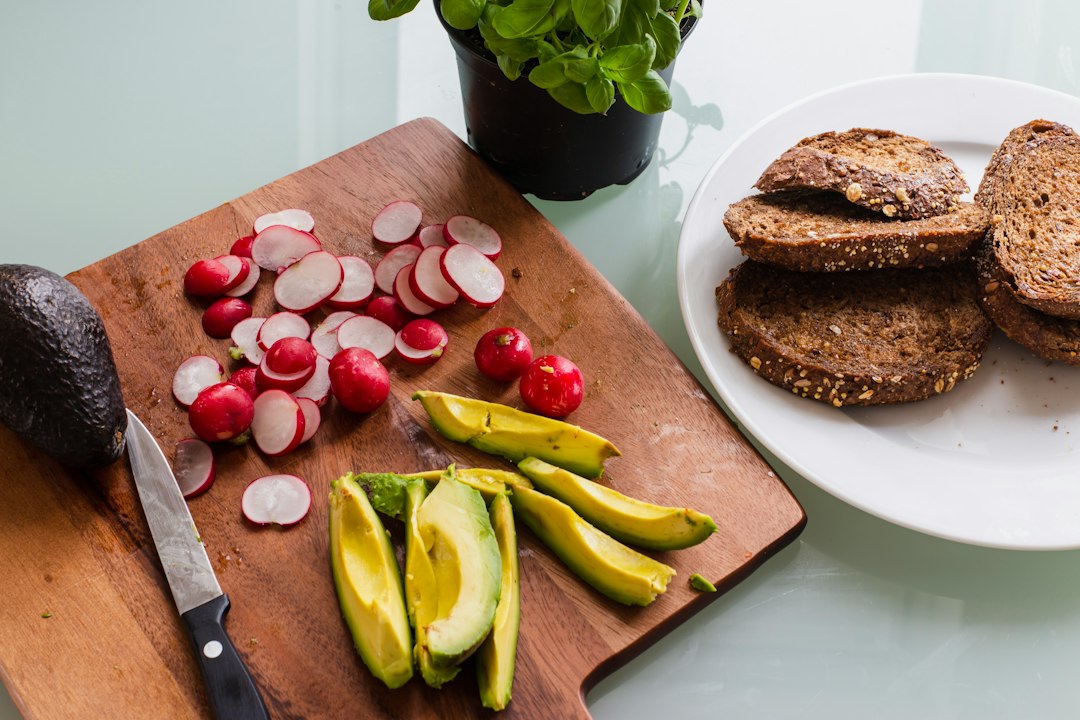
3. Hard-Boiled Eggs + Sliced Avocado on Whole-Grain Rye Toast
Eggs are nutritional goldmines. They contain complete proteins and are packed with choline, a precursor to acetylcholine—a neurotransmitter responsible for memory, mood, and mental focus.
Why the combo works: Whole-grain rye toast offers dense fiber with a lower glycemic response than standard whole wheat. Pairing it with the monounsaturated fats from avocado slows digestion, ensuring the amino acids and B-complex vitamins from the egg are absorbed smoothly over several hours.
4. Crisp Apple Slices + Natural Almond Butter
An apple by itself delivers a rapid dose of fructose. While natural, eating an apple alone on an empty stomach can leave you rummaging through the pantry 45 minutes later.
Why the combo works: Almond butter delivers plant-based protein, monounsaturated fat, and vitamin E. The pectin fiber in the apple binds with the healthy fats in the nut butter, creating a steady, time-released supply of glucose that keeps your energy stable between meals.
5. Creamy Hummus + Red Bell Pepper Strips + Roasted Hemp Seeds
When you feel mentally sluggish in the afternoon, dehydration and micronutrient gaps are frequently to blame. Red bell peppers are composed of over 90% water and pack nearly three times more vitamin C than an orange.
Why the combo works: Chickpeas in hummus provide slow-digesting resistant starch and non-heme iron. Vitamin C from the raw bell pepper dramatically enhances your body's absorption of that plant-based iron. Topping the hummus with shelled hemp hearts adds complete plant protein and essential fatty acids.
6. Canned Wild Salmon + Quinoa Bowl
Wild-caught salmon is one of nature's richest sources of eicosapentaenoic acid (EPA) and docosahexaenoic acid (DHA)—omega-3s that maintain the fluidity of brain cell membranes and reduce neuroinflammation.
Why the combo works: Salmon contains natural coenzyme Q10 (CoQ10) and vitamin B12, both essential for cellular energy production. Quinoa acts as a complex carb base that also delivers all nine essential amino acids. This combination eliminates midday brain fog and prevents afternoon slumps. If you use smart meal prep strategies, batch-cooking quinoa on Sunday makes this a five-minute lunch.
7. Steamed Edamame + Roasted Sweet Potato Cubes
Sweet potatoes are rich in complex starches, potassium, and beta-carotene (provitamin A). Potassium is an electrolyte that supports proper muscle contraction and cellular fluid balance.
Why the combo works: Pairing sweet potato cubes with young soybeans (edamame) adds 17 grams of complete plant protein per cup, along with fiber and iron. The protein-carb balance prevents the sleepiness that often follows high-starch meals.
8. Dark Leafy Greens + Fresh Lemon Juice + Extra Virgin Olive Oil
Dark greens like baby spinach, lacinato kale, and Swiss chard are loaded with folate, carotenoids, and non-heme iron. Iron carries oxygen to working tissues and the brain; low iron stores translate directly into lethargy.
Why the combo works: Plant iron requires an acidic environment to convert into a bioavailable form for your intestines. The ascorbic acid (vitamin C) in fresh lemon juice increases iron uptake significantly, while the healthy fats in cold-pressed extra virgin olive oil ensure fat-soluble carotenoids are properly absorbed.
9. Low-Fat Cottage Cheese + Pineapple Chunks + Ground Flaxseed
Cottage cheese is rich in casein protein, a slow-digesting dairy protein that coagulates in the stomach and releases amino acids into the bloodstream over several hours.
Why the combo works: Pineapple provides natural sweetness and bromelain, an enzyme complex that helps break down proteins and ease digestion. Ground flaxseeds add dietary fiber and lignans, keeping your digestive system running efficiently and preventing the heavy, sluggish feeling caused by large meals.
10. Lentil Soup + Sprouted Grain Sourdough
Lentils are an exceptional tool in your nutritional toolkit. One cooked cup packs approximately 18 grams of protein and 15 grams of gut-friendly fiber.
Why the combo works: The soluble fiber in lentils forms short-chain fatty acids (SCFAs) in the large intestine, signaling your brain that your body is fueled and calm. Pairing warm lentil soup with sprouted grain sourdough provides sustained complex carbohydrates while the natural fermentation of the bread reduces phytic acid, boosting mineral absorption.
Key Takeaway: Never eat "naked" carbohydrates. Adding a source of protein or healthy fat to any fruit, grain, or starch turns quick-burning fuel into hours of steady stamina.
3 Common Dietary Habits That Drain Your Energy
Knowing which foods for energy to select is half the battle; eliminating hidden habits that sap your vitality is the other. Even healthy foods can cause fatigue if consumed at the wrong times or in the wrong contexts.
1. Drinking Coffee on an Empty Stomach
Gulping down black coffee the moment your alarm rings triggers an immediate spike in cortisol. When cortisol surges without food in your system, it prompts a sharp rise and subsequent drop in blood glucose, leaving you jittery by 10:00 AM. Drink a large glass of water, eat a protein-rich breakfast, and delay your first cup of coffee by 60 to 90 minutes as part of optimizing your morning routine.
2. Relying on Highly Processed "Energy" Bars
Most commercial energy bars are candy bars in disguise. Many contain brown rice syrup, cane sugar, or agave nectar listed as the primary ingredients. While they provide a temporary lift during intense athletic endurance events, eating them at your desk guarantees an insulin spike followed by severe mental fatigue.
3. Eating Heavy, High-Fat Lunches
While healthy fats are crucial for steady energy, massive amounts of saturated or fried fats slow gastric emptying too much. When your stomach works excessively hard to break down a heavy meal, your body diverts substantial blood flow toward the digestive tract and away from your brain, causing the classic "post-lunch coma."
The Simple Formula for Fatigue-Proof Meals
You don't need a complicated tracking app or strict meal plan to keep your energy high. When putting together breakfast, lunch, or dinner, follow this simple visual plate method:
- Fill 1/2 of your plate with non-starchy vegetables: Leafy greens, broccoli, peppers, or cucumbers for cellular hydration, micronutrients, and fiber.
- Fill 1/4 of your plate with high-quality protein: Eggs, wild fish, poultry, tofu, tempeh, or Greek yogurt to supply neurotransmitter-building amino acids.
- Fill 1/4 of your plate with slow-digesting complex carbs: Quinoa, sweet potatoes, oats, or beans for steady glucose.
- Add 1 to 2 tablespoons of healthy fats: Extra virgin olive oil, avocado, nuts, or seeds to slow digestion and support hormone production.
This balanced distribution keeps your glycemic load low, preserves your metabolic flexibility, and ensures your brain receives a continuous, predictable stream of fuel.
Your Action Step for Today
Open your pantry or fridge right now and find one carbohydrate you regularly eat alone—whether it is an apple, a slice of toast, or a bowl of oatmeal. Choose one healthy fat or protein partner from the list above (such as a spoonful of almond butter, a hard-boiled egg, or a tablespoon of chia seeds) and commit to pairing them together today.
Notice how your focus, mood, and stamina hold steady three hours later. When you treat food as fuel and honor your biology with smart nutritional pairings, lasting energy becomes your natural default state.

Written by
Nibedita Basu
English graduate and social worker with a passion for creating a warm, happy, and meaningful life. I write about Home, Food, and Pets — sharing practical ideas, everyday inspiration, and simple joys that make life more comfortable, wholesome, and fulfilling.