It is 9:15 PM on a Tuesday. You have just powered through a ten-hour workday, navigated rush-hour traffic, cleaned up the kitchen, and finally collapsed onto the couch. Ten minutes later, without even making a conscious decision, you find yourself at the bottom of a bag of sea-salt chips or staring into an empty ice cream pint.
You feel a familiar wave of shame. You tell yourself, "I just need more discipline."
Here is the truth: relying on willpower to control your cravings is a losing battle. Willpower is a finite mental muscle that gets completely drained by decision fatigue, work stress, and everyday life. When your brain is stressed, it seeks fast, reliable comfort. Food—specifically sugar, fat, and salt—delivers an immediate hit of dopamine that temporarily numbs distress.
If you want to discover how to stop emotional eating permanently, you do not need more restriction or self-punishment. You need a reliable system that works with your biology rather than fighting it. Here is the exact five-step, willpower-free system to break the stress-eating loop for good.
Key Takeaway: Emotional eating is not a character flaw or a lack of self-control. It is a biological coping mechanism triggered by stress, fatigue, and unmet emotional needs. To resolve it, address the underlying trigger rather than restricting food.
The Science Behind the Craving: Why Willpower Always Loses
When you experience chronic stress, your adrenal glands pump out cortisol. Elevated cortisol levels increase appetite and drive intense cravings for hyper-palatable, calorie-dense foods. According to research published by the National Institutes of Health, sustained stress alters your brain's neuroendocrine system, actively skewing food choices toward high-sugar and high-fat options that temporarily dampen the body's physiological stress response.
In simple terms, your brain learns that eating calms your nervous system down. Attempting to suppress this deeply ingrained reflex through brute force will only work until your energy dips. The solution is creating alternative pathways that satisfy the brain's need for safety and reward without raiding the pantry.
The 5-Step System to Stop Emotional Eating for Good
Step 1: Decode the Hunger Signal (The "Apple Test")
When learning how to stop emotional eating, the first step is distinguishing between physical hunger and emotional hunger. They feel similar in the body, but they behave very differently:
- Physical Hunger: Develops gradually over hours, is felt in your stomach (growling, emptiness), accepts a wide variety of foods, and leaves you feeling satisfied when you are full.
- Emotional Hunger: Hits suddenly like an emergency, is felt above the neck (mouth, mind, senses), demands a specific texture or flavor (like pizza or chocolate), and persists even when your stomach is bloated.
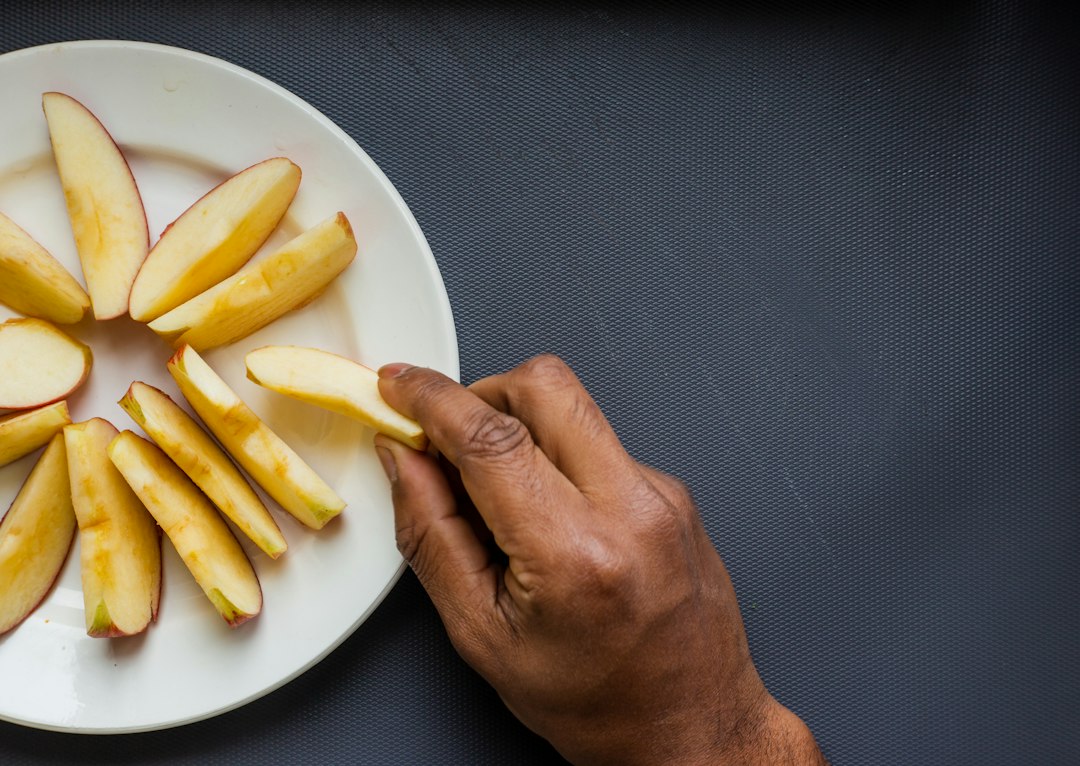
The next time an urgent craving strikes, run the Apple Test. Ask yourself: "Would I eat a plain, crisp apple right now?"
If the answer is yes, your body needs actual sustenance. Go prepare a balanced meal rich in protein and fiber, or review your foundational habits using practical meal prep strategies to ensure regular nourishment. If the answer is no—and you only want that specific pastry or salty snack—you are dealing with an emotional appetite.
Step 2: Implement the 10-Minute "Pattern Interrupt"
Emotional eating thrives on auto-pilot behavior. You feel stressed, your hands reach for food, and you chew before your rational brain can intervene. Trying to strictly forbid yourself from eating usually backfires because deprivation increases fixation.
Instead, use a Pattern Interrupt: grant yourself permission to eat whatever you want, but institute a mandatory 10-minute pause first.
- Step away from the kitchen: Move to a different room or step outside.
- Regulate your nervous system: Take four slow "box breaths" (inhale for 4 seconds, hold for 4, exhale for 4, hold for 4) to bring cortisol levels down.
- Set a timer for 10 minutes: Tell yourself, "I can have this food if I still want it in 10 minutes, but I'm going to pause first."
If you want to master how to stop emotional eating, you must build a small buffer between the emotional trigger and your physical response. In more than 60% of cases, that ten-minute pause is long enough for the acute craving wave to crash.
Step 3: Match the True Need, Not the Craving
Food is rarely the real object of your desire; it is merely the easiest delivery vehicle for relief. Every craving is a code for an unmet need. When you decode the emotion, you can provide an exact match rather than a culinary substitute.
- Boredom / Under-stimulation: Your brain wants dopamine. Instead of chips, try a high-focus activity: call a friend, tackle a puzzle, play an instrument, or take a brisk walk around the block.
- Anger / Frustration: Your body holds physical tension. Chewing crunchy chips is often an attempt to release jaw tension. Try high-intensity exercise, foam rolling, or chewing crunchy vegetables like celery or carrots.
- Exhaustion / Burnout: You are seeking energy or comfort. Food cannot cure sleep deprivation. Lie down for a 20-minute restorative rest, dim the lights, or take a hot bath.
- Loneliness / Sadness: You want connection or warmth. Wrap up in a heavy blanket, drink a warm cup of herbal tea, or send a quick voice message to someone you care about.
Step 4: Redesign Your Environment for Low Friction
Relying on mental energy inside a home stocked with hyper-palatable trigger foods is an unfair challenge. Environment design removes willpower from the equation completely.
Apply the rule of Micro-Friction to your kitchen:
- Make unhelpful foods invisible: Move trigger snacks off the counters and out of direct line of sight. Place them in opaque containers on high shelves, in the basement, or avoid buying bulk quantities entirely.
- Make nourishing foods effortless: Keep washed berries, cut vegetables, and protein options front and center in your refrigerator. Supporting your digestion and mood with nutrient-dense foods is closely tied to improving gut health naturally, which directly influences appetite hormones.
- Establish a "Sit-Down Only" rule: Make a personal guideline that all eating occurs while sitting at a table with food served on a plate—never straight out of the box, in front of the open fridge, or while driving.
Key Takeaway: You do not need stronger discipline; you need an environment that makes impulsive choices difficult and thoughtful choices effortless. Friction beats willpower every single time.
Step 5: Run a Post-Episode Autopsy (No Guilt Allowed)
Guilt is the gasoline of the emotional eating cycle. When you slip up, beat yourself up, and spiral into shame, your stress levels spike—which prompts your brain to seek comfort in food once again.
Discovering how to stop emotional eating requires shifting from harsh self-criticism to neutral curiosity. When an episode happens, view it as neutral data. Open a notebook and answer three quick diagnostic questions:
- What was happening right before I started eating? (Where was I, who was I with, what was I feeling?)
- What was I hoping the food would give me in that moment? (Rest, celebration, distraction, numbness?)
- What is one small safeguard I can put in place next time that exact situation arises?
By treating each slip-up as a learning moment rather than a moral failure, you disarm the shame cycle and gradually inoculate yourself against future triggers. Pairing this practice with regular mindful eating exercises builds long-term intuitive awareness.
Your Action Step for Today
You do not need to overhaul your entire lifestyle today to see meaningful progress. The real secret to how to stop emotional eating without exhausting your mental bandwidth is taking one small, pre-planned action before you are stressed.
Your 5-minute task today: Create an "Emergency Comfort Menu." Take an index card and write down three specific, non-food actions that take less than 10 minutes and genuinely lower your stress (for example: 10 minutes with a novel, a warm shower, or five minutes of stretching). Tape this card inside your pantry cabinet door.
The next time stress knocks at your door, let your Comfort Menu make the decision for you.

Written by
Nibedita Basu
English graduate and social worker with a passion for creating a warm, happy, and meaningful life. I write about Home, Food, and Pets — sharing practical ideas, everyday inspiration, and simple joys that make life more comfortable, wholesome, and fulfilling.