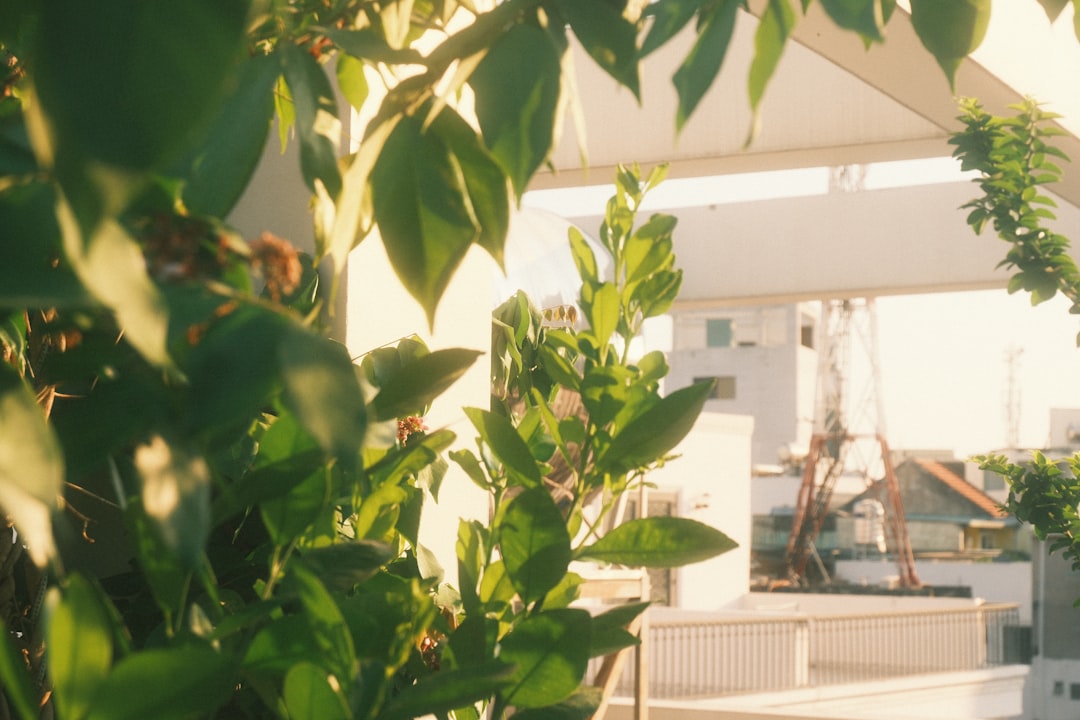
You do not need an acre of countryside soil to harvest crisp greens, aromatic herbs, or vibrant seasonal blooms. Even a four-by-six-foot strip of concrete suspended three stories in the air can yield pounds of fresh produce every summer. Yet many urban dwellers leave their outdoor spaces bare, intimidated by harsh winds, shifting sunlight, or the dread of cluttering what little floor space they have.
Implementing creative balcony garden ideas allows you to optimize square footage, boost your home’s curb appeal, and enjoy fresh, homegrown ingredients without feeling cramped. With a smart layout and the right container choices, your small outdoor nook can double as both a relaxing sanctuary and a high-yield mini-farm.
Key Takeaway: Successful small-space gardening relies on vertical volume rather than floor area. Before buying plants, assess your balcony's sunlight hours, wind exposure, and weight limits to choose compatible varieties and containers.
1. Assess Your Microclimate: Sunlight, Wind, and Weight
Before rushing to the local nursery, spend a few days observing the specific environmental conditions of your balcony. Balconies present unique microclimates that differ dramatically from ground-level backyards.
Tracking Sun Patterns
Note how many hours of direct sunlight hit your space each day. A south-facing balcony might receive six to eight hours of intense, unfiltered sun—ideal for sun-loving crops like tomatoes, peppers, and rosemary. Conversely, an east-facing balcony will enjoy gentle morning rays, making it prime real estate for leafy greens, mint, and ferns. North-facing balconies receive mostly indirect light, meaning shade-tolerant ornamentals and woodland herbs will thrive best.
Managing the Wind Tunnel Effect
Higher floors frequently experience stiff breezes that dry out soil in hours and snap delicate stems. If your balcony is prone to heavy drafts, anchor your setup with sturdy, wide-based planters, install breathable mesh wind screens on the railings, and opt for flexible, low-profile plants like thyme, strawberries, and dwarf bush varieties.
Observing Structural Weight Limits
Wet potting mix, terracotta pots, and mature plants add up quickly. To keep loads manageable and safe for your building structure:
- Choose lightweight containers made of resin, fabric, or composite plastics rather than heavy stone or concrete.
- Use quality lightweight potting mixes containing perlite, vermiculite, and coconut coir instead of heavy topsoil.
- Distribute weight evenly along the perimeter and near structural load-bearing walls rather than concentrating everything in one corner.
2. Maximize Vertical Space and Railings
When floor space is scarce, building upward is your greatest asset. Clever vertical balcony garden ideas let you quadruple your growing surface without sacrificing room for a bistro chair and a morning cup of coffee.
Reviewing container gardening fundamentals can help you choose the right container depth for vertical installations.
Secure Railing Planters
Balcony railings are prime real estate that often go unused. Saddle planters that straddle the railing or clamp-on metal brackets allow you to suspend shallow-rooted plants outward or inward. They are perfect for trailing petunias, alpine strawberries, and culinary herbs. Ensure all railing planters feature locking mechanisms or heavy-duty zip ties so gusty winds cannot dislodge them.
Living Wall Pocket Systems and Trellises
Felt wall pockets mounted onto an exterior wall or a freestanding wooden trellis create a lush “living wall” backdrop. You can pair these with small space organization strategies to keep gardening tools neatly stowed behind your trellis panels.
- Felt pocket planters: Excellent for shallow-rooted crops like salad greens, chives, and cascading nasturtiums.
- Freestanding ladder shelves: Allow you to arrange potted plants by height, giving trailing species room to spill downward while upright plants soak up the sun at the top.
- Wall-mounted trellises: Let vining crops like pole beans, sugar snap peas, and mini cucumbers climb upward, creating natural shade and privacy.
3. High-Yield Plants Tailored for Small Containers
When selecting crops, prioritize varieties that offer continuous harvests or multi-functional beauty throughout the entire season.
Cut-and-Come-Again Greens
Leaf lettuce, arugula, Swiss chard, and kale are among the most rewarding crops for small balconies. Instead of pulling the entire root system at harvest, simply snip the outer leaves as needed. The plant will continue producing fresh foliage for weeks, giving you a steady supply of crisp salad greens from a single 12-inch pot.
Compact and Dwarf Edibles
Look for plant tags featuring words like “patio,” “bush,” “dwarf,” or “micro.” Plant breeders have developed exceptional cultivars designed specifically for small pots:
- Micro-Dwarf Tomatoes: Varieties like ‘Tiny Tim’ or ‘Red Robin’ stay under 12 to 18 inches tall yet yield dozens of sweet cherry tomatoes.
- Compact Bush Peppers: Varieties like ‘Lunchbox’ sweet peppers or dwarf jalapeños thrive in two-gallon containers.
- Patio Berries: Thornless dwarf blackberries and compact raspberry bushes can live comfortably in five-gallon planters for years.
Culinary Herb Stations
A compact herb station yields the highest return on investment for small spaces. Grouping Mediterranean herbs like rosemary, thyme, and oregano in one sunny container mimics their native dry, gritty soil conditions. If you enjoy year-round fresh seasoning, you can easily transition these pots indoors during colder months by creating an indoor herb garden setup on your sunniest windowsill.
Key Takeaway: Prioritize "cut-and-come-again" leafy greens and compact dwarf vegetables over single-harvest crops like head cabbage or standard carrots to maximize your harvest per square foot.
4. Smart Watering, Drainage, and Maintenance
The most common pitfall in balcony gardening is moisture management. Containers dry out far faster than garden beds, but uncontrolled drainage can drip onto your downstairs neighbor’s patio, causing friction.
Preventing Runoff Issues
Always place deep, matching saucers beneath every planter to capture runoff. If you use hanging baskets or railing boxes, look for models with integrated internal water reservoirs. For standard pots, elevate the base using pot feet or wooden risers so water drains freely into the saucer without rotting the plant roots.
Self-Watering and Drip Solutions
Balcony microclimates can scorch container plants during July and August. Incorporating self-watering planters—which draw moisture up from a bottom reservoir via capillary action—reduces daily watering chores to once or twice a week. If you travel often, consider installing a simple gravity-fed micro-drip kit connected to a five-gallon bucket or an outdoor spigot timer.
For renters focused on lower waste and cost, combining these watering systems with sustainable apartment living tips helps keep your utility bills low while preserving municipal water.
5. Designing a Cozy, Clutter-Free Aesthetic
A balcony garden should feel like an extension of your living room, not a crowded greenhouse utility shed. Maintaining a cohesive visual style prevents the area from looking messy.
- Stick to a Two-Tone Color Palette: Using containers made of the same material (e.g., all terracotta, all matte white, or all dark gray resin) creates visual order and makes the space feel larger.
- Incorporate Multi-Functional Furniture: Choose a storage bench that holds potting soil and watering cans beneath its seat while providing a spot to relax.
- Layer Your Lighting: Add warm solar string lights along the railing or battery-powered lanterns nestled between pots to extend your garden enjoyment well into the evening hours.
Take Action Today: Map Your Sun and Measure Your Space
You do not need to purchase a dozen plants today to get started. In fact, doing so often leads to overwhelmed beginners and wilted seedlings. Instead, take your first concrete step right now:
- Grab a notepad and measuring tape: Measure the length, width, and railing dimensions of your balcony.
- Track the sunlight: Check your balcony three times today (morning, midday, and late afternoon) to calculate your exact direct sun exposure.
- Pick your top two crops: Based on your sun profile, select two easy-grow plants—such as sweet basil and a cherry tomato starter—along with one sturdy container to launch your balcony transformation.

Written by
Nibedita Basu
English graduate and social worker with a passion for creating a warm, happy, and meaningful life. I write about Home, Food, and Pets — sharing practical ideas, everyday inspiration, and simple joys that make life more comfortable, wholesome, and fulfilling.