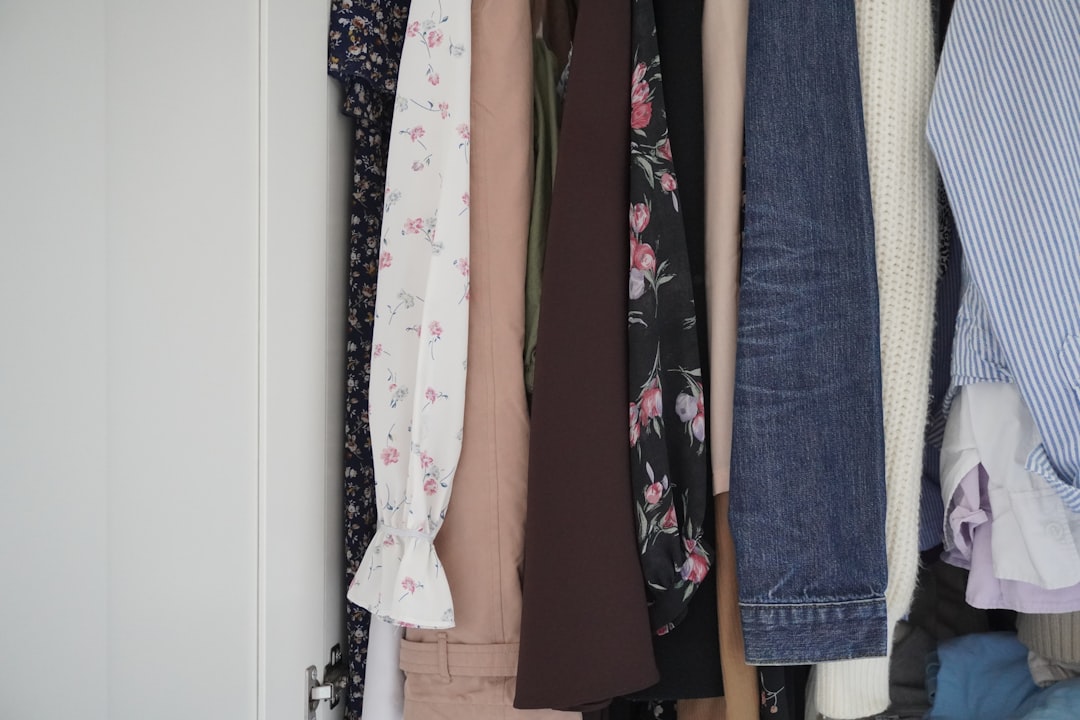
Open your closet doors right now. If you are greeted by a jam-packed rack of clothes yet find yourself sighing, "I have nothing to wear," you are not alone. Studies regularly show that most people wear roughly 20% of their clothing 80% of the time. The rest is visual clutter that drains your morning energy, complicates laundry day, and silently costs you money.
The solution is not buying another trendy top that only matches one pair of pants. The solution is intentional curation. When you build a capsule wardrobe, you trade closet chaos for a streamlined collection of interchangeable, high-quality pieces you genuinely love putting on.
Whether you live somewhere with blistering summers and freezing winters or mild year-round temperatures, this practical guide will walk you through creating a hard-working, stylish wardrobe tailored to your actual life.
Key Takeaway: A capsule wardrobe is not a restrictive uniform of plain white tees and beige trousers. It is a curated collection of versatile, high-rotation garments that all coordinate seamlessly, reflecting your personal style and daily routine.
What Is a Capsule Wardrobe (and Why Does It Work?)
The capsule wardrobe concept originated in the 1970s with London boutique owner Susie Faux and was later popularized by designer Donna Karan. The core premise is simple: assemble a small foundation of timeless, functional clothing items that can be supplemented with seasonal additions.
Transitioning to this system provides several immediate quality-of-life upgrades:
- Zero Decision Fatigue: When every top matches every bottom, getting dressed takes less than two minutes.
- More Physical Space: Free up crowded closets and drawers, complementing your broader efforts in organizing small closet spaces.
- Financial Savings: You stop impulse-buying throwaway fast fashion and invest in durable pieces that last for years.
- Clear Personal Style: Stripping away the excess forces you to identify what cuts, fabrics, and colors make you feel confident.
The 5-Step Blueprint to Build a Capsule Wardrobe
You do not need to throw away your entire wardrobe and purchase brand-new designer basics. In fact, doing so completely misses the point. Follow these five practical steps to curate your collection from the ground up.
Step 1: The Ruthless Closet Audit
Begin by taking every single piece of clothing out of your closet and drawers. Lay everything on your bed. Seeing the sheer volume in one pile gives you a realistic perspective of what you own. Sort every item into four distinct categories:
- The Love & Wear Pile: Clothes that fit your body right now, are in great repair, and get worn regularly.
- The Seasonal Storage Pile: Items you love that belong to another season (e.g., heavy wool coats in mid-July).
- The Maybe Pile: Pieces you hesitate on due to fit, sentimentality, or style uncertainty. Box these up and store them out of sight for 30 days. If you do not retrieve an item during that month, let it go.
- The Donate/Sell Pile: Clothes that do not fit, are uncomfortable, or no longer match your lifestyle. Pair this stage with your overall plan for decluttering your home room by room.
Step 2: Define Your Lifestyle Formula
A capsule wardrobe must match your actual daily reality, not an imaginary life. If you work from home four days a week, buying five tailored blazers makes zero sense. Break your typical week into percentages:
- Work/Professional: 40%
- Casual/Everyday: 40%
- Activewear/Loungewear: 15%
- Formal/Occasion: 5%
Your closet inventory should mirror these proportions. Next, select a cohesive color palette consisting of:
- Base Neutrals (2–3 colors): Black, navy, charcoal, camel, or cream.
- Supporting Neutrals (1–2 colors): White, heather gray, or denim.
- Accent Colors (2–3 colors): Sage green, rust, cobalt, burgundy, or blush.
Step 3: Settle on Your Core Numbers
Most stylists recommend between 30 and 40 items per season. This number includes tops, bottoms, dresses, outerwear, and shoes. It typically excludes workout clothes, sleepwear, underwear, and formal wear.
A balanced 36-piece framework looks like this:
- 9 Tops: Mix of basic tees, structured button-downs, and knitwear
- 5 Bottoms: Tailored trousers, dark-wash jeans, light-wash jeans, and casual pants
- 3 Layering Sweaters/Cardigans
- 3 Jackets/Coats
- 3 Dresses or Jumpsuits
- 5 Pairs of Shoes: White sneakers, ankle boots, loafers, sandals, and dress shoes
- 8 Seasonal Accessories: Scarves, belts, hats, and everyday bags
Step 4: Map Out High-Versatility Outfits
Before putting items back in your closet, run the "Rule of Three" test. Every top must pair naturally with at least three different bottoms, and every bottom must match at least three tops. If an item only works in a single, hyper-specific combination, it does not belong in your capsule.
Step 5: Identify and Fill Real Gaps
Only after auditing your existing clothes should you make a shopping list. Look for genuine functional gaps—such as a missing pair of weather-resistant boots or a tailored neutral blazer. When you do purchase, prioritize natural, breathable fabrics like cotton, linen, merino wool, and tencel that withstand regular laundering.
Key Takeaway: Never go shopping before you audit. When you build a capsule wardrobe, you will usually discover that you already own 70% to 80% of your foundational items.
Adapting Your Capsule for Every Season
A capsule wardrobe is not static. You do not need to wear the exact same 35 items 365 days a year. Instead, use a permanent core collection combined with seasonal rotations.
The Core + Seasonal Rotation System
Roughly 50% of your wardrobe consists of year-round anchor pieces: perfect-fitting denim, white button-downs, basic t-shirts, leather loafers, and a lightweight jacket. The remaining 50% rotates four times a year.
Spring Capsule Adjustments
Spring requires versatile layering for fluctuating temperatures and unpredictable rain.
- Fabrics: Medium-weight cotton, silk blends, denim, and lightweight knits.
- Key Additions: A classic water-resistant trench coat, cropped light knit sweaters, medium-wash denim, and waterproof leather sneakers.
- Color Shift: Introduce lighter accents like olive, sky blue, or soft lavender against your base neutrals.
Summer Capsule Adjustments
Summer focuses on heat management, sun protection, and effortless breathable layers.
- Fabrics: 100% linen, poplin cotton, seersucker, and lightweight modal.
- Key Additions: Linen shorts, breathable shirt dresses, a wide-brim hat, leather slide sandals, and an open-weave knit for breezy evenings.
- Color Shift: Bright whites, ecru, terracotta, and warm accents.
Fall Capsule Adjustments
Fall welcomes richer textures, deeper tones, and versatile outerwear combinations.
- Fabrics: Flannel, wool blends, corduroy, suede, and heavier denim.
- Key Additions: A structured camel blazer, chunky knit turtleneck, Chelsea boots, and an everyday utility jacket.
- Color Shift: Rust, forest green, chocolate brown, and deep mustard.
Winter Capsule Adjustments
Winter demands warmth without excessive bulk through strategic thermal layering.
- Fabrics: Heavyweight wool, cashmere, down insulation, and fleece.
- Key Additions: A tailored wool overcoat, insulated parka, thermal base layers, lug-sole waterproof boots, and cashmere beanies.
- Color Shift: Deep charcoal, rich navy, winter white, and burgundy.
Care and Maintenance: Making Fewer Clothes Last Longer
Because you wear each garment more frequently when you build capsule wardrobe systems, fabric care becomes essential. Extending the life of your garments protects your investment and maintains the polished appearance of your outfits.
- Wash Less, Air Out More: Unless an item is visibly dirty or holds odor, air out wool, denim, and outerwear between wears instead of running a wash cycle after every single use.
- Adopt Gentle Washing Habits: Wash in cold water on delicate cycles and hang dry whenever possible to preserve fibers and prevent shrinkage. Explore our guide on building a sustainable laundry care routine to protect delicate fabrics.
- Use Proper Storage Tools: Invest in matching wooden or velvet hangers to maintain shoulder structures, and store off-season woolens in breathable cotton garment bags with cedar blocks to prevent moth damage.
- Keep a Basic Mending Kit: A fabric shaver for removing pills, a handheld steamer, and basic needle and thread skills will double the lifespan of your sweaters and trousers.
3 Common Capsule Wardrobe Mistakes to Avoid
Many people abandon their capsules within a month because of three easily preventable errors:
- The "Boring Beige" Trap: Minimalism does not equal monochrome neutrals. If you love emerald green, polka dots, or vintage leather, weave those into your capsule. Your wardrobe should reflect your genuine taste, not an Instagram aesthetic.
- Over-Restricting Everyday Options: If 33 pieces feel stressful or leave you doing laundry every three days, increase your number to 40 or 45. The goal is simplicity and ease, not an arbitrary numerical badge of honor.
- Ignoring Comfort for Formality: If a pair of trousers looks stunning in the mirror but pinches when you sit at your desk, you will avoid wearing it. Prioritize functional comfort in every single piece you retain.
Your Immediate Action Step for Today
Do not attempt to overhaul your entire closet in one marathon afternoon. That often leads to mid-process burnout and clothes strewn across your bedroom floor for days.
Do this today instead (The 15-Minute Hanger Test):
- Go to your closet and turn all your hanging clothes so the hanger hooks face backward (toward you rather than toward the back wall).
- Whenever you wear an item, hang it back up the normal way.
- Over the next 30 days, notice which hangers stay reversed. Those untouched pieces are the exact items holding you back from a streamlined, stress-free closet.
By understanding what you truly reach for day after day, you will take the first confident step to build a capsule wardrobe that saves you time, clears mental space, and keeps you looking effortlessly assembled every single morning.

Written by
Nibedita Basu
English graduate and social worker with a passion for creating a warm, happy, and meaningful life. I write about Home, Food, and Pets — sharing practical ideas, everyday inspiration, and simple joys that make life more comfortable, wholesome, and fulfilling.