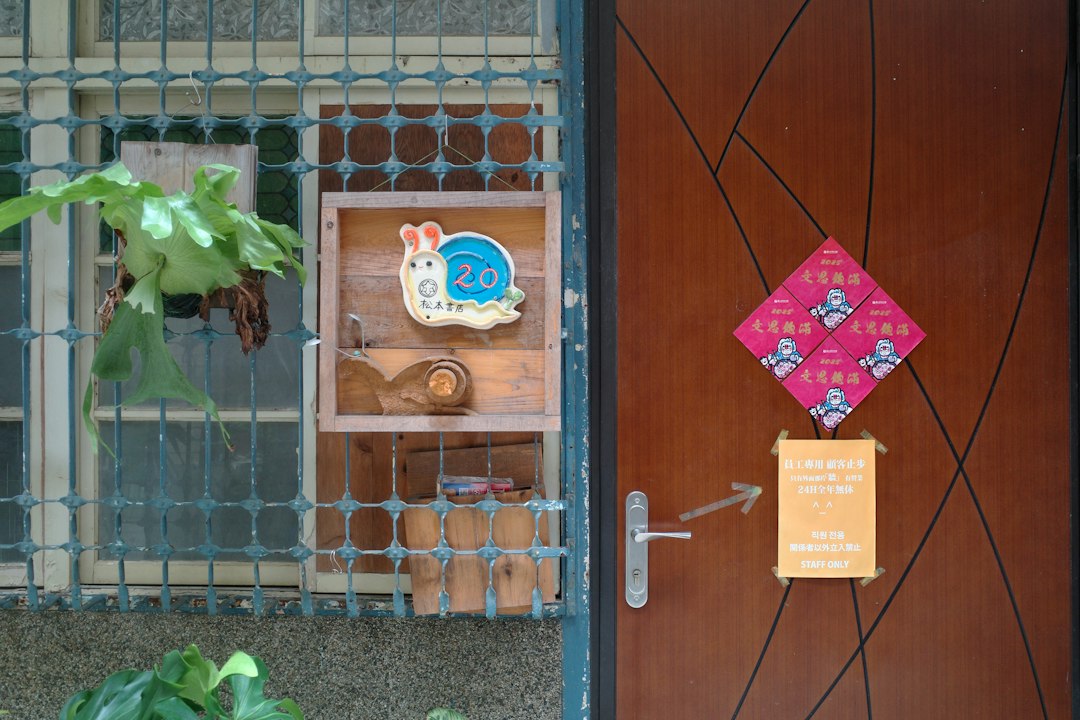
You open your front door after a long day, take a single step inside, and immediately trip over a sneaker while juggling groceries, a bag, and your keys. When your front door opens straight into a narrow hallway or directly into your living room with less than 10 square feet of usable floor area, clutter accumulates in seconds.
A cramped front entrance does not mean you are doomed to daily chaos. When you learn how to organize a tiny entryway using intentional spatial zones and smart vertical hardware, even a microscopic threshold can function like a full-scale mudroom.
Key Takeaway: An entryway is not a storage unit; it is an active transit hub. Design your space strictly for the items you use daily, and relocate seasonal or occasional gear elsewhere in your home.
Assess Your Micro-Space: The Rules of Tiny Foyers
Before buying decorative bins or hanging wall hooks, evaluate how your household actually moves through the front door. Micro-entryways fail when homeowners attempt to store too much in an area designed purely for ingress and egress.
1. The 80/20 Entryway Rule
Most people wear 20% of their outerwear and shoes 80% of the time. If your household consists of two people, your entryway should hold no more than two pairs of everyday shoes and two daily jackets per person. Bulky winter coats, specialized sports gear, and formal shoes belong in bedroom closets or dedicated storage areas. Start by decluttering your home room by room to free up space in nearby auxiliary closets for off-season overflow.
2. Eliminate Floor Footprints
In spaces under 10 square feet, every square inch of open flooring preserves physical clearance for door swings and foot traffic. Bulky benches, freestanding coat trees, and traditional shoe racks eat into walking paths. The golden rule to organize tiny entryway footprints is simple: elevate everything onto walls or the back of doors.
5 High-Impact Systems to Organize a Tiny Entryway
Transforming an awkward foyer requires furniture and fixtures designed specifically for shallow depths and vertical utility.
1. Ultra-Slim Shoe Storage Cabinets
Standard shoe racks sit 12 to 15 inches deep, which obstructs narrow hallways. Tilt-out shoe cabinets (such as the IKEA Trones or Bissa lines) measure only 6 to 9 inches deep. Because shoes sit vertically inside tilting compartments, you gain closed, dust-free storage without encroaching on walkway space.
Mounting these units directly to the wall also leaves the baseboard and floor visible underneath, which tricks the eye into perceiving the room as larger than it is.
2. Staggered Vertical Wall Pegs
Traditional horizontal coat racks limit you to 4 or 5 hanging spots along a single plane. Instead, install individual heavy-duty shaker pegs or wall hooks in staggered vertical patterns across a narrow strip of wall:
- Top Tier (65–72 inches): Adult jackets, hats, and umbrellas.
- Middle Tier (45–55 inches): Everyday bags, backpacks, and dog leashes.
- Lower Tier (30–36 inches): Children’s coats or reusable shopping totes.
For custom layouts and anchoring techniques into drywall or studs, explore the carpentry tutorials on This Old House entryway storage ideas to ensure heavy winter gear stays secure on your walls.
3. The Floating "Landing Strip" Console
Even if you lack room for a console table, you need a dedicated surface for incoming mail, sunglasses, and keys. Install a floating wall shelf measuring just 4 to 6 inches deep at elbow height (around 40 to 42 inches from the floor).
Equip this shelf with two dedicated zones:
- A small catchall tray: Ceramic or leather trays keep loose keys and wallets contained in one spot.
- An upright mail sorter: Keeps incoming bills and letters vertical so paper piles do not spill onto other surfaces.
Integrating compact shelving is one of the most reliable small space storage solutions for eliminating horizontal surface clutter.
4. Mirror + Task Lighting Double-Duty
Hang a framed wall mirror directly above your floating shelf. A mirror reflects natural light from adjacent rooms, making dark entry alcoves feel twice as wide. Opt for a mirror that includes built-in lower pegs or a mini-ledge along the bottom frame for extra functionality.
5. Over-the-Door Pocket Organizers (Hidden Mode)
If your front door opens near a hallway closet or utility door, take advantage of the door’s reverse side. A heavy-duty canvas or mesh over-the-door pocket organizer holds sunglasses, sunscreen, winter gloves, dog accessories, and lint rollers without taking up a single millimeter of entryway wall space.
Key Takeaway: When floor space is zero, build upward. A 6-inch-deep floating shelf combined with vertical hooks provides 90% of the utility of a full-size credenza without crowding the doorway.
Managing Everyday Clutter: The 60-Second Reset
The best physical setup will quickly collapse if daily maintenance habits are absent. When you organize tiny entryway zones, there is zero margin for delayed decisions. Implement practical daily habits for a cleaner home to keep the threshold clear:
- The Post-Office Filter: Sort junk mail over the recycling bin before setting anything on your landing strip. Only actionable mail touches your entryway tray.
- The Evening Floor Sweep: Before bed, spend 60 seconds returning stray shoes to their cabinets and hanging any bags that slipped to the floor.
- Weekly Seasonal Rotation: Every Sunday evening, inspect the coat hooks. If the weather has shifted, return unneeded coats to your primary wardrobe closet.
Step-by-Step Action Plan for Today
You do not need an entire weekend to reclaim a cramped entryway. You can dramatically improve functionality in under 30 minutes right now:
- Clear the floor completely: Pick up every shoe, box, and bag currently sitting within 4 feet of your front door.
- Purge to the essentials: Keep out only the single pair of shoes and one jacket you plan to wear tomorrow. Put everything else away in your main closet.
- Designate a temporary tray: Place a small dinner plate, shallow basket, or decorative dish on the nearest existing surface purely for your keys and wallet.
- Measure your wall space: Measure your available wall height and width alongside the door swing to prepare for installing a slim vertical hook rail and floating shelf this weekend.

Written by
Nibedita Basu
English graduate and social worker with a passion for creating a warm, happy, and meaningful life. I write about Home, Food, and Pets — sharing practical ideas, everyday inspiration, and simple joys that make life more comfortable, wholesome, and fulfilling.