Take a quick glance around your bathroom right now. Between the shampoo bottles, body wash dispensers, plastic razors, liquid hand soap pumps, and dental floss containers, the average bathroom is packed with single-use plastic. In fact, according to the EPA's data on containers and packaging, packaging makes up nearly 30 percent of municipal solid waste, and personal care products contribute substantially to that landfill volume.
The good news? You don't have to overhaul your entire lifestyle overnight or live out of a single mason jar of trash. By introducing practical zero waste bathroom swaps one item at a time, you can dramatically cut your household footprint while saving money and decluttering your countertops.
Key Takeaway: Transitioning to a zero-waste bathroom isn't about perfection; it's about replacing products sustainably as they run out, rather than tossing usable items into the trash prematurely.
Why Bathroom Waste Is Uniquely Problematic
Most of us are fairly diligent about recycling empty soda cans and cardboard shipping boxes in the kitchen. However, recycling in the bathroom often falls flat. Few people keep dedicated recycling bins beside their showers, and even when bathroom plastics make it to the bin, many personal care items cannot be processed by standard municipal recycling facilities.
Pumps contain metal springs that jam sorting machinery. Squeeze tubes consist of bonded plastic and aluminum layers that are impossible to separate. Colored cosmetic bottles often fail optical sorting sensors at recycling plants. As a result, the vast majority of bathroom plastics head directly to landfills or waterways.
Adopting sustainable swaps targets the problem at the source by eliminating non-recyclable packaging before it ever enters your home.
The Best Zero Waste Bathroom Swaps by Routine Zone
To make the transition manageable, break your bathroom down into three distinct zones: the sink, the shower, and personal hygiene/skincare. Here are the most effective swaps for each area.
1. Sink & Dental Care
Oral hygiene produces a surprising amount of non-recyclable waste. An estimated one billion plastic toothbrushes are thrown away each year in the United States alone. Here is how to clean up your sink routine:
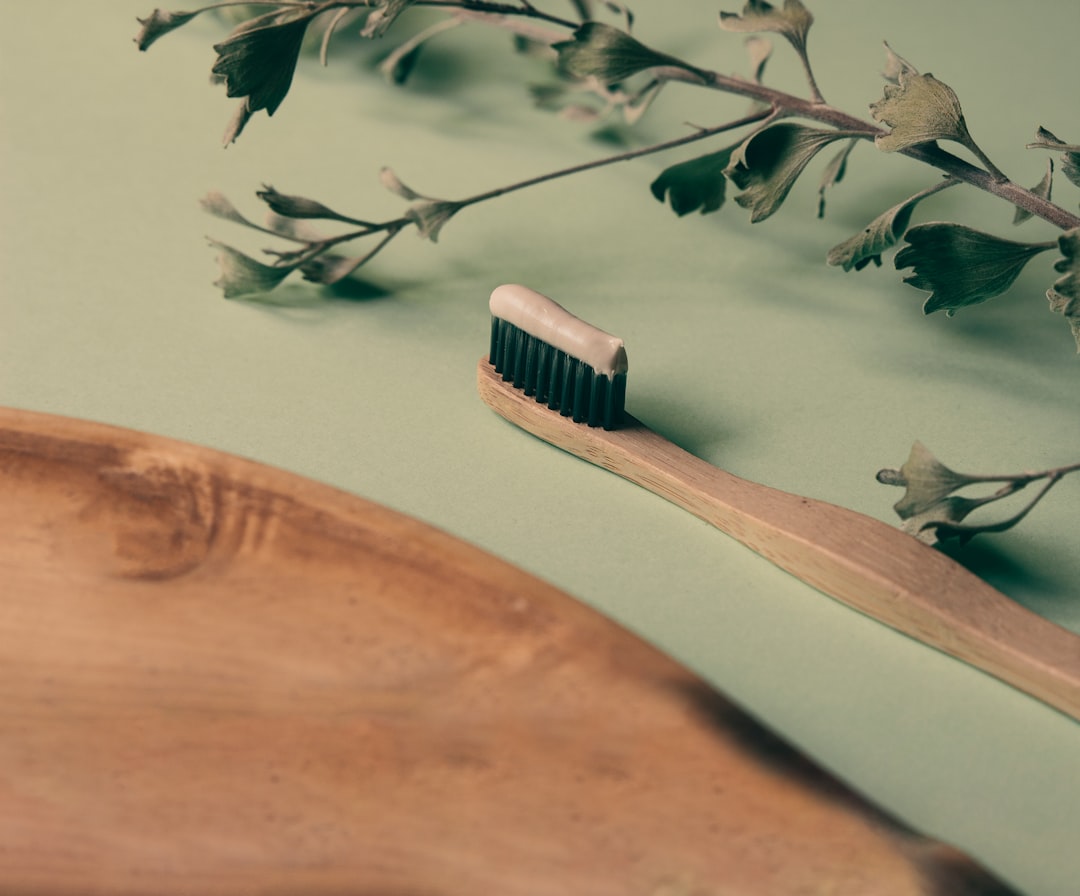
- Bamboo or Replaceable-Head Toothbrushes: Switch from standard plastic brushes to compostable bamboo toothbrushes (remove the nylon bristles with pliers before composting) or aluminum-handled brushes with small snap-on replacement heads.
- Toothpaste Tablets: Traditional toothpaste tubes are made from multi-layer laminate that cannot be recycled. Toothpaste tablets come in refillable glass jars or compostable paper pouches. You simply chew a dry tablet, brush with a wet toothbrush, and spit as normal.
- Silk or Bamboo Dental Floss: Conventional floss is made of nylon coated in synthetic wax, housed in a disposable plastic case. Opt for 100% natural silk or bamboo fiber floss coated in plant wax, packaged in reusable glass or stainless steel vials with compostable paper refills.
- Bar Hand Soap: Replace plastic pump bottles of liquid hand soap with package-free, cold-processed bar soaps. Look for formulas rich in olive oil, shea butter, or glycerin to keep your hands moisturized throughout the day.
2. Shower & Bath Essentials
The shower is usually the largest source of bulky plastic bottles in any home. Fortunately, the market for solid personal care products has exploded with high-performance options.
- Solid Shampoo and Conditioner Bars: Modern shampoo bars are not just glorified bars of body soap; they are concentrated, pH-balanced hair cleansers formulated without water. One concentrated bar typically replaces two to three standard bottles of liquid shampoo. Pair with a solid conditioning bar enriched with cocoa butter or argan oil.
- Double-Edge Safety Razors: Disposable multi-blade cartridges cost a fortune and cannot be recycled because their blades are embedded in molded plastic. A solid brass or stainless steel safety razor will last a lifetime. Replacement blades cost mere cents and can be collected in a metal tin and recycled as scrap metal.
- Natural Luffas or Sisal Soap Pouches: Synthetic nylon shower puffs shed microplastics down the drain during every shower. Swap them for 100% natural dried luffa gourds or sisal fiber soap saver bags, both of which are fully compostable at the end of their lifespan.
3. Skincare, Deodorant & Daily Grooming
Skincare routines often feature elaborate packaging. Simplifying your steps can improve skin barrier health while cutting waste.
- Refillable or Cardboard-Tube Deodorant: Many clean, aluminum-free natural deodorants now come packaged in push-up cardboard tubes or durable aluminum cases with compostable refill pods.
- Washable Organic Cotton Rounds: If you use toner, micellar water, or nail polish remover, ditch single-use cotton balls. A pack of washable bamboo-cotton rounds can be washed hundreds of times in a mesh laundry bag.
- Multi-Use Plant Oils in Glass: Instead of buying separate serums and moisturizers in plastic bottles, consider high-quality botanical oils (like jojoba, rosehip, or squalane) packaged in amber glass dropper bottles. Jojoba oil works exceptionally well as both a gentle makeup remover and a lightweight facial moisturizer.
- Sustainable Menstrual Care: Disposable pads and tampons contain significant amounts of bleached cotton and plastic liners. Menstrual cups, reusable fabric pads, and leak-proof period underwear offer comfortable, zero-waste alternatives that pay for themselves within months.
Key Takeaway: One safety razor and a 100-pack of stainless steel blades costs roughly $35 upfront and provides years of shaves, eliminating dozens of plastic cartridges from landfills.
The Golden Rule: Use It Up Before You Swap
When starting your zero-waste journey, the biggest mistake is running through your bathroom and throwing out every plastic bottle in sight to replace them with picture-perfect eco-friendly items. Tossing half-used products creates unnecessary waste and wastes money.
Follow this three-step timeline instead:
- Audit your current stock: Take inventory of what you already own, including travel-sized bottles and half-empty backstock tucked beneath the sink.
- Use everything to the last drop: Cut open squeeze tubes and invert pump bottles to use the remaining 10–15% of product stuck at the bottom.
- Swap on demand: Only introduce one of your planned zero waste bathroom swaps when a specific item is completely empty.
If you enjoy making changes across your living space, you can apply this same gradual methodology to building sustainable kitchen habits or mastering non-toxic home cleaning DIYs.
How to Maintain Solid Bars So They Last Longer
The number one complaint people have when adopting zero waste bathroom swaps is that their solid shampoo and soap bars turn into mush. Because solid bars do not contain synthetic hardeners or plastic packaging to shield them from moisture, proper storage is essential.
- Keep bars out of the direct spray: Store your shampoo and body bars on a shower shelf away from constant running water.
- Use self-draining soap dishes: Choose soap trays made of slatted bamboo, grooved ceramic, or angled silicone that allow air to circulate completely around the bar.
- Let them dry between uses: If multiple family members shower back-to-back, remove bars from the shower stall to let them dry in a well-ventilated area.
- Save the slivers: When a bar becomes too small to hold comfortably, drop the remnant into a sisal soap pouch or press it firmly against the side of a brand-new wet bar to fuse them together.
Overcoming the Adjustment Period
Some sustainable alternatives require a short adjustment phase. Knowing what to expect prevents premature frustration:
Safety Razors: Modern cartridge razors require you to press down hard against the skin. A safety razor requires zero downward pressure; the weight of the metal head does the work. Hold the blade at roughly a 30-degree angle to your skin and take short, gentle strokes.
Haircare Transitition: Depending on whether your previous products contained heavy silicone polymers, your hair may need one to two weeks to adjust to surfactant-based or soap-based solid shampoo bars. For a seamless routine overhaul, pair these hygiene tweaks with our practical minimalist decluttering guide to streamline your bathroom storage space.
Your 10-Minute Action Plan for Today
Ready to get started without feeling overwhelmed? Do this right now:
- Walk into your bathroom and identify the one product closest to running empty this week (e.g., your hand soap, dental floss, or body wash).
- Research one high-quality, plastic-free alternative for that specific item.
- Bookmark or purchase that replacement now, but continue using your existing product until it is 100% finished before unboxing the new swap.
By swapping your personal care essentials gradually as they deplete, you will effortlessly build a clutter-free, sustainable bathroom routine that is better for your wallet and the planet.

Written by
Nibedita Basu
English graduate and social worker with a passion for creating a warm, happy, and meaningful life. I write about Home, Food, and Pets — sharing practical ideas, everyday inspiration, and simple joys that make life more comfortable, wholesome, and fulfilling.