It is 6:45 PM on a Tuesday. You are standing in front of an open refrigerator, exhausted from a relentless workday, staring blankly at a lone zucchini, a bottle of hot sauce, and leftover takeout rice from three nights ago. Your brain is running on empty, and the easiest option is opening a delivery app and dropping $35 on a mediocre salad.
You are not alone. The average home cook spends between 45 to 60 minutes preparing dinner and cleaning up each weeknight. Add in midday lunch runs and grocery store stops, and you easily lose 7 to 9 hours every single week just keeping yourself fed.
Mastering a real meal prep time saving routine changes everything. It is not about spending your entire Sunday stuck in the kitchen slicing sweet potatoes until your wrist hurts, nor does it mean choking down dry chicken breast and steamed broccoli five days in a row. It is about applying smart kitchen systems so you can prepare vibrant, restaurant-quality meals throughout the week in under ten minutes a night.
Key Takeaway: Successful meal prep is about preparing versatile components, not packaging five identical, boring microwave dinners. Modular cooking gives you speed without sacrificing variety.
The Core Framework: Component Prepping vs. Full Meals
The single biggest mistake beginners make is trying to cook five full, completed recipes from start to finish. Cooking five distinct dishes creates mountain-sized dish piles, burns mental energy, and guarantees you will despise eating your fourth reheated portion by Thursday afternoon.
Instead, elite meal preppers rely on the Component Cooking Method. This approach represents the highest-yield meal prep time saving strategy available.
The 4-Part Component Formula
Rather than cooking full dishes, batch-cook a modular matrix of ingredients that you can cross-combine in different flavor profiles:
- 2 Protein Bases: Examples include sheet-pan herb lemon chicken thighs, slow-cooked shredded pork carnitas, crispy spiced tofu cubes, or a double batch of high-protein batch cooking recipes.
- 2 Complex Carbohydrates: Think fluffy tri-color quinoa, roasted sweet potato wedges, brown basmati rice, or farro simmered in vegetable broth.
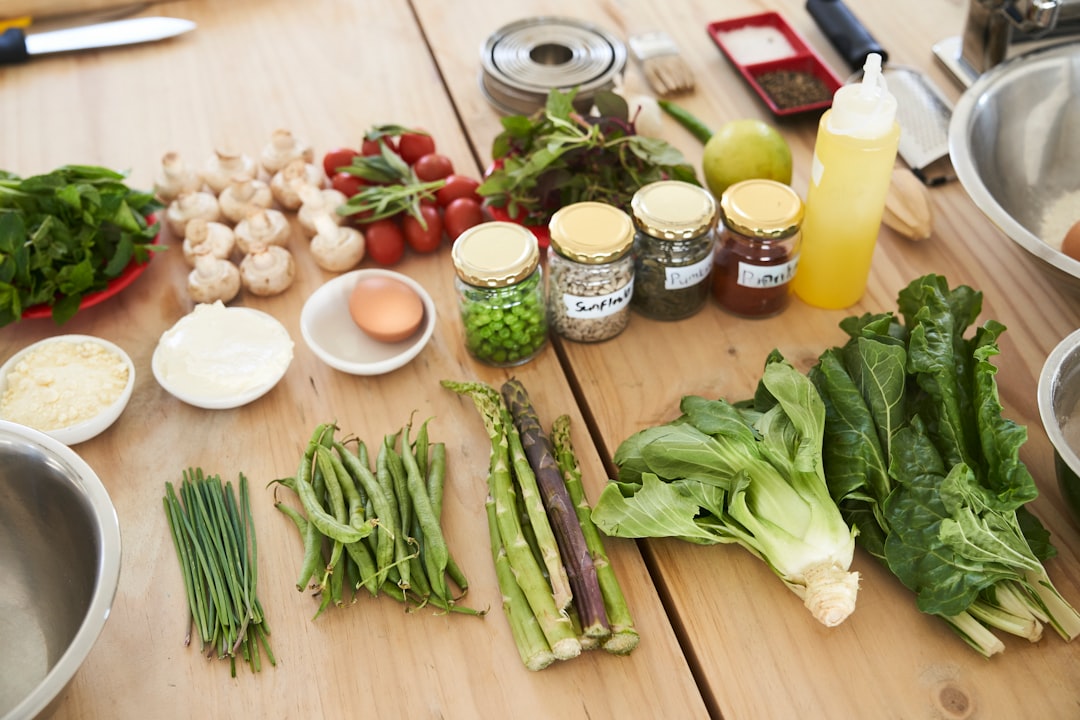
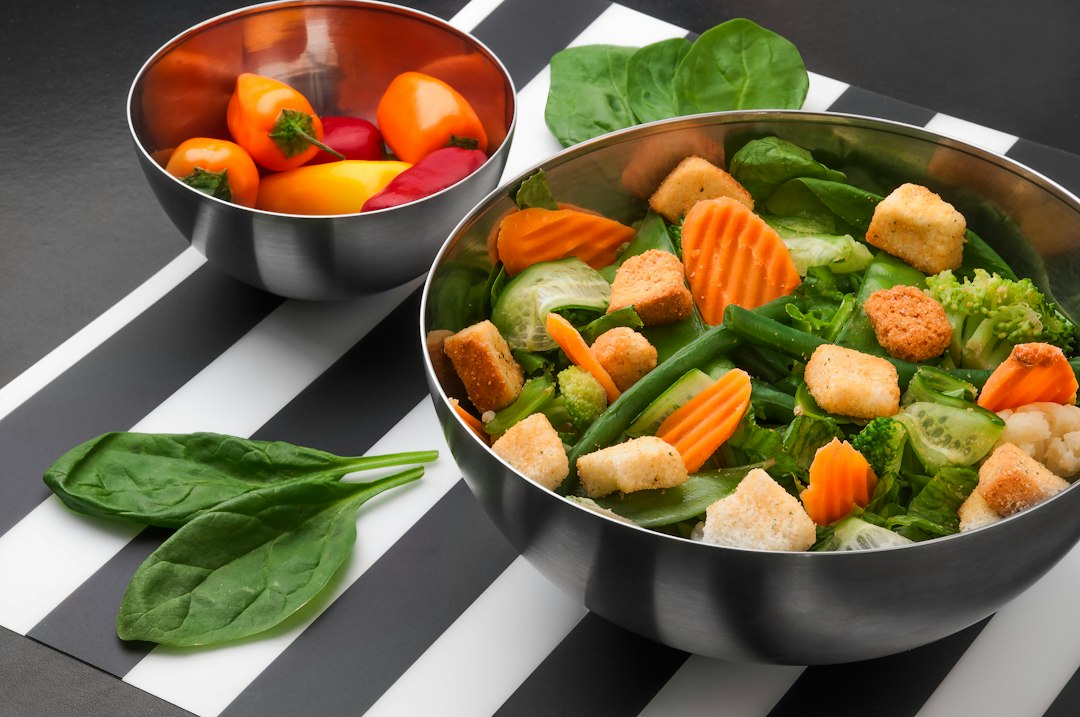
- 2–3 Sheet Pans of Veggies: High-heat roasted broccoli florets, blistered green beans, caramelized bell peppers and onions, or charred zucchini rounds.
- 2 Flavor-Bomb Sauces: A punchy chimichurri, lemon tahini dressing, creamy peanut sauce, or garlic-lime crema.
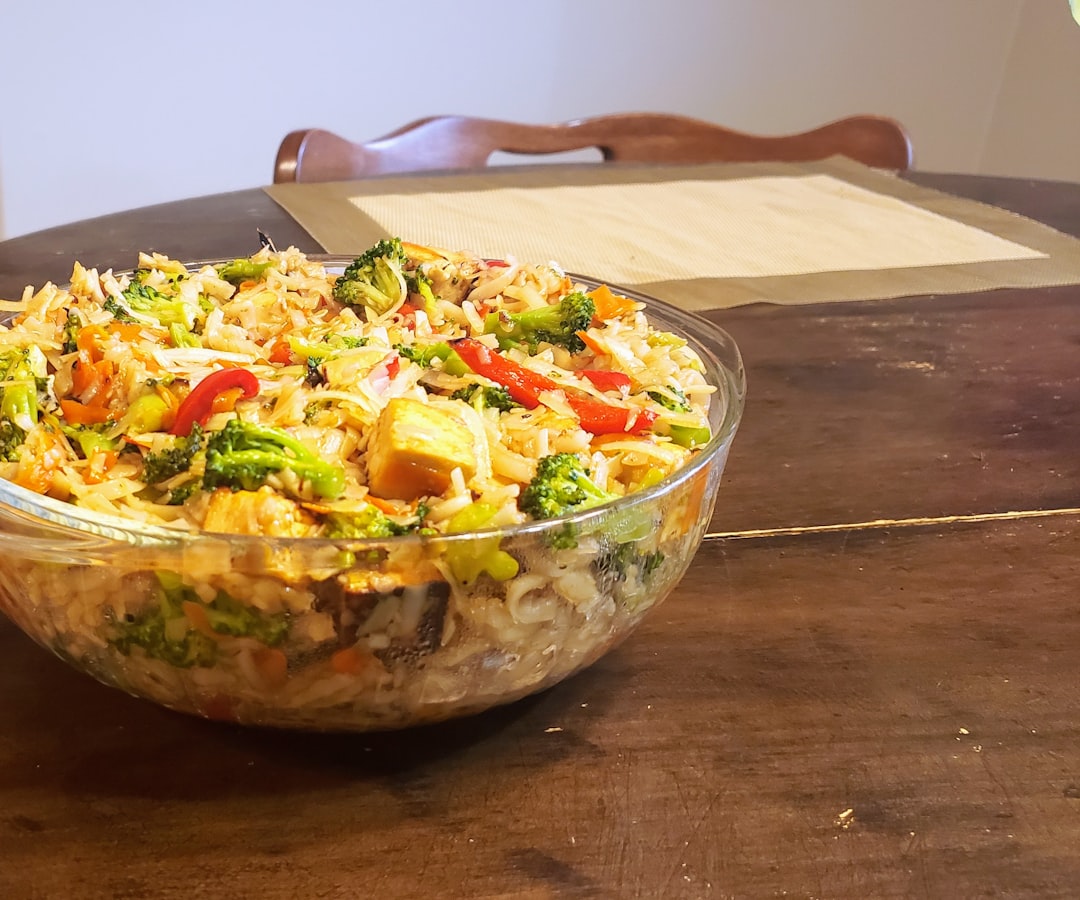
When dinner rolls around, you simply grab a scoop from each container, drizzle your sauce, toss in a handful of fresh greens or crushed nuts, and serve. On Monday you have a Mediterranean grain bowl; on Wednesday you wrap those same ingredients into a warm tortilla with hot sauce for quick burritos.
The 90-Minute Weekend Blueprint (Step-by-Step)
To maximize meal prep time saving, treat your prep window like a professional kitchen line. Parallel processing—doing several hands-off tasks simultaneously—is the key to finishing your entire week's prep in 90 minutes flat.
Phase 1: Setup & Pre-Heating (Minutes 0–15)
Never pick up a knife until your cooking stations are active:
- Set your oven to 425°F (220°C). Position racks in the upper-middle and lower-middle sections.
- Put a large pot of salted water or stock on the stove on high heat for your grains.
- Clear and sanitize your counters. Set out your cutting board, chef's knife, a large trash bowl (to eliminate trips to the garbage bin), and sheet pans lined with parchment paper.
Phase 2: The Multi-Zone Cook (Minutes 15–65)
Now, load all heat zones so your appliances do the hard labor while you do minimal active chopping:
- Grains (Hands-off): Drop your brown rice, quinoa, or grains into your boiling pot or Instant Pot. Set a timer and walk away.
- Sheet Pan 1 (Proteins): Arrange seasoned chicken breasts, seasoned ground turkey patties, or marinated tempeh on your first lined baking sheet. Slide it onto the top oven rack.
- Sheet Pan 2 (Hard Veggies): Chop your root vegetables (sweet potatoes, carrots, beets) into uniform cubes. Toss with olive oil, salt, and pepper, then slide onto the bottom oven rack.
- Stove Pan (Quick Veggies/Secondary Protein): While the oven runs, flash-sauté tender greens, sear steaks, or simmer a quick lentil curry on the stovetop.
Phase 3: The 5-Minute Blender Sauces (Minutes 65–75)
Sauces make or break your prep. A vibrant sauce transforms reheated staples into a cohesive, gourmet dish. Whip up two dressings using an immersion blender or mini food processor:
- Green Goddess: Greek yogurt, parsley, cilantro, lemon juice, garlic clove, and sea salt.
- Savory Ginger-Peanut: Natural peanut butter, soy sauce, lime juice, honey, grated ginger, and warm water to thin.
Phase 4: Cool Down, Portion, & Clean (Minutes 75–90)
Do not snap lids onto piping-hot containers immediately. Strapping lids on steaming food creates condensation, turning your crisp roasted veggies into mushy, waterlogged messes and accelerating spoilage. Spread hot items out to cool down to room temperature for 15 minutes before packing them away.
Pro Tip: According to official USDA guidelines on safe leftover storage, cooked foods should be refrigerated within two hours of cooking to inhibit bacterial growth. Once chilled properly, most cooked proteins and vegetables keep safely for 3 to 4 days.
Smart Kitchen Workflow Hacks That Eliminate Bottlenecks
Small kitchen inefficiencies steal minutes without you noticing. Streamline your physical space using these battle-tested prep techniques:
1. Keep a Unified Container System
Ditch the mismatched collection of takeout containers and cloudy plastic tubs with missing lids. Invest in a single 10- or 12-pack set of uniform, airtight glass containers with snap lids. Because they are the exact same shape, they stack cleanly in your fridge, heat evenly in the microwave, and cut time spent searching for matching lids down to zero.
2. Master the "Pre-Prep Wash and Dry"
Moisture is the enemy of produce longevity. When you bring greens home, wash them immediately, run them through a salad spinner until completely dry, and store them in airtight containers lined with a dry paper towel. This adds up to five extra days of shelf life and makes pulling together side salads effortless alongside your gut-friendly weekly meal planning goals.
3. The Two-Cutting-Board Rule
Cross-contamination stops prep dead in its tracks. Designate one large wooden cutting board exclusively for produce and a separate dishwasher-safe plastic board for raw meat. You will never have to pause mid-flow to scrub, sanitize, and dry your only board between slicing onions and trimming chicken.
5 Costly Traps That Sabotage Your Prep Time
If you have tried meal prepping before and quit after two weeks, you likely fell into one of these common traps:
- Cooking overly delicate ingredients: Sliced avocados, fragile greens dressed with oil, and seafood do not hold up well past day two. Stick to sturdy greens (kale, cabbage), cruciferous vegetables (broccoli, Brussels sprouts), and dense proteins for multi-day storage.
- Under-seasoning bulk batches: Cold and reheated food loses a small amount of flavor intensity. Season your grains and proteins slightly more aggressively with kosher salt, citrus zest, and spices than you would for immediate serving.
- Ignoring your pantry staples: A messy pantry creates friction. Establish a clean, organized setup using our practical kitchen pantry organization system so spices, broths, and oils are always within arm's reach.
- Attempting complicated culinary techniques: When your goal is pure meal prep time saving, avoid fussy steps like pan-searing breaded cutlets in small batches. Opt for oven roasting, braising, or pressure cooking every time.
- Over-prepping for Friday: Plans change. Unplanned client dinners, happy hours, or dates happen. Only prep dinners for Monday through Thursday. Leave Friday open for clearing leftover odds-and-ends or dining out guilt-free.
Action Plan: Your 10-Minute Task for Today
You do not need to overhaul your entire lifestyle this afternoon. High-leverage kitchen habits are built in small, realistic steps.
Open your pantry and refrigerator right now with a notepad. Write down your 2 Proteins, 2 Carbs, 2 Veggies, and 1 Sauce for the next three days. Build your grocery list around strictly those ingredients, schedule a 90-minute block on your calendar, and execute the blueprint. Once you taste how simple dinner feels on a busy Tuesday night, you will never go back to the 6 PM takeout panic.

Written by
Nibedita Basu
English graduate and social worker with a passion for creating a warm, happy, and meaningful life. I write about Home, Food, and Pets — sharing practical ideas, everyday inspiration, and simple joys that make life more comfortable, wholesome, and fulfilling.