It is 9:30 PM. You finished a balanced, satisfying dinner barely two hours ago, yet you find yourself standing in front of the open pantry, staring down a bag of barbecue potato chips or a sleeve of chocolate cookies.
Your rational mind says you are full. Your brain, however, is screaming for sugar, fat, and salt. Before you know it, the bag is empty, leaving behind greasy fingers and a wave of familiar guilt.
Here is the truth: giving in to these urges does not mean you lack discipline. Learning how to stop junk food cravings isn’t about building superhuman willpower; it is about outsmarting the neurobiology and hormonal signals that drive them. When you understand the biochemical triggers behind food urges, beating them becomes simple, predictable, and sustainable.
Key Takeaway: Junk food cravings are biological feedback loops driven by dopamine, blood sugar fluctuations, and stress hormones—not moral failures or weak willpower. Fixing the underlying physiological cues turns off the urge at the source.
The Biology of Why We Crave Ultra-Processed Food
Modern ultra-processed junk food is engineered to bypass your brain’s natural satiety cues. Food scientists combine precise ratios of sugar, fat, and sodium to achieve what the industry calls the “bliss point.” This combination triggers a surge of dopamine in the brain’s reward center, mirroring the same neural pathways involved in addictive behaviors.
According to neurobiological research published by the NIH, hyper-palatable foods stimulate reward circuitry far more aggressively than whole foods, reinforcing a subconscious loop: stress or boredom triggers a cue, snacking provides dopamine relief, and the brain encodes that junk food as the ultimate quick-fix solution.
When you attempt to fight this chemical cascade with brute-force willpower alone, you will almost always lose. Instead, you need proactive behavioral and nutritional strategies to neutralize the triggers before they strike.
The 5-Step Blueprint to Stop Junk Food Cravings
Step 1: Anchor Every Meal with 30 Grams of Protein
The single most powerful nutritional lever to stop junk food cravings is stabilizing your blood glucose curve. When you consume refined carbohydrates—like bagels, pastries, or plain white pasta—your blood glucose spikes rapidly and crashes shortly after. That crash triggers a surge of ghrelin (the hunger hormone) and prompts your brain to demand quick-acting energy: more sugar and refined carbs.
To break this rollercoaster:
- Aim for at least 25 to 35 grams of high-quality protein at each main meal.
- Pair your protein with dietary fiber (such as leafy greens, legumes, chia seeds, or cruciferous vegetables) and healthy fats like avocado or extra-virgin olive oil.
- Start your morning with savory meals rather than sweet options. Switching to easy high-protein breakfast recipes keeps your insulin steady and eliminates afternoon sugar slumps before they begin.
Step 2: Use the "15-Minute Craving Delay" Rule
Cravings operate like ocean waves: they rise in intensity, hit a peak, and naturally dissipate if you do not feed them. Most acute food cravings last between 10 and 20 minutes. The problem is that most people react within the first 30 seconds of an urge.
When a sudden urge strikes, set a timer on your phone for 15 minutes. Tell yourself: “I can have that treat if I still want it, but I must wait 15 minutes first.”
During those 15 minutes, change your physical state immediately:
- Drink a large 16-ounce glass of water with a pinch of mineral salt or a squeeze of lemon (mild dehydration often masquerades as intense sugar cravings).
- Leave the kitchen. Step outside for fresh air, do a quick set of stretches, or tackle a focused chore that engages your hands.
- Notice how the craving diminishes once your attention shifts away from the visual cue.
Step 3: Engineer Friction into Your Food Environment
Human beings are biologically wired to take the path of least resistance. If high-calorie junk food is sitting on your kitchen counter or in the front row of your pantry, you will eventually eat it during moments of low energy or heightened stress.
You can dramatically reduce consumption simply by adding physical “friction” between yourself and temptation:
- Keep it out of the house entirely: Make a firm rule that ultra-processed treats are enjoyed only when dining out or purchased as single servings.
- Increase visual friction: If you must keep snacks at home for family members, store them in opaque containers on high, out-of-reach pantry shelves or in the basement.
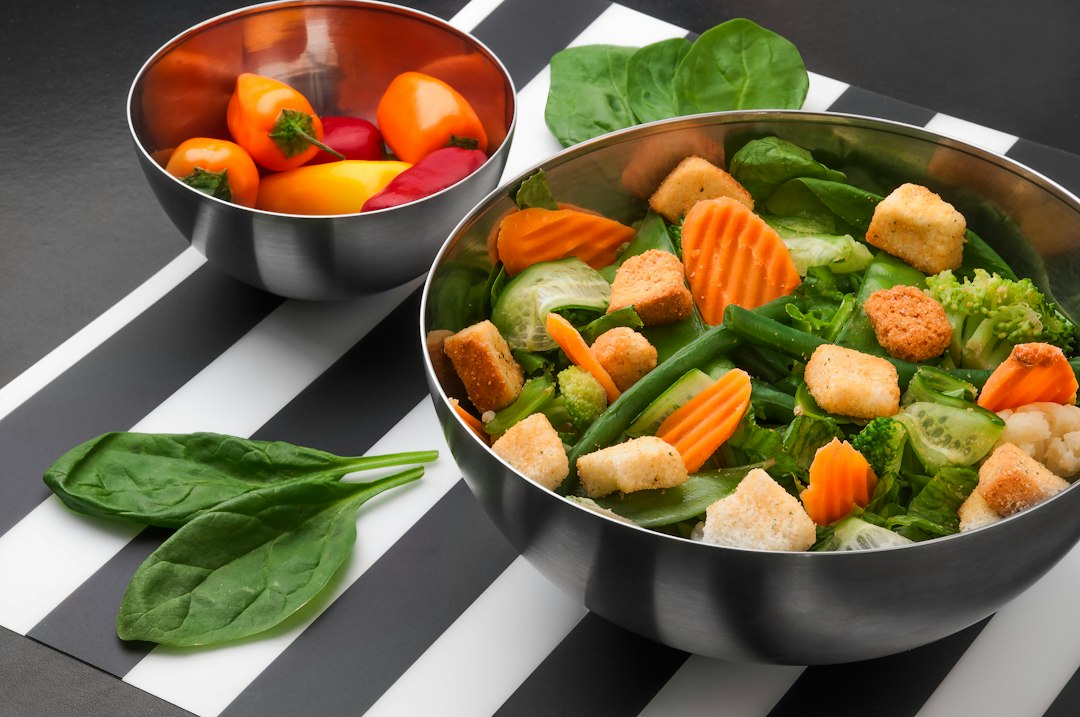
- Make healthy options frictionless: Keep washed berries, sliced cucumbers, boiled eggs, and pre-portioned nuts at eye level in the refrigerator.
Step 4: Protect Your Sleep to Regulate Ghrelin and Leptin
Ever notice that your junk food cravings are exponentially worse after a poor night of rest? That is not a coincidence. Sleep deprivation induces a state of metabolic vulnerability.
When you get less than seven hours of quality sleep, your body produces excess ghrelin (which increases appetite) and suppresses leptin (the hormone that signals fullness). Simultaneously, your prefrontal cortex—the part of the brain responsible for impulse control and decision-making—becomes sluggish, making it significantly harder to stop junk food cravings when stress strikes.
Prioritizing a consistent evening wind-down routine for better sleep and turning off blue-light screens an hour before bed is not just about feeling rested—it is a core nutritional defense mechanism.
Step 5: Master the "Crowd-Out" Swap Instead of Deprivation
Strict elimination diets rarely work because the human psyche rebels against total restriction. When you label a food as strictly “forbidden,” its psychological value skyrockets. A far more effective tactic is the “crowd-out” strategy: upgrade your snack choices to whole-food alternatives that hit the same sensory profiles without triggering a binge cycle.
| Craving Profile | Instead of This (Ultra-Processed) | Swap With This (Whole Food) |
|---|---|---|
| Crunchy & Salty | Potato chips, cheese puffs | Air-popped popcorn with sea salt & nutritional yeast, or roasted chickpeas |
| Sweet & Creamy | Commercial ice cream, candy bars | Full-fat Greek yogurt with blueberries and a drizzle of raw honey |
| Rich Chocolate | Milk chocolate candy bars | 1–2 squares of 85% dark chocolate paired with raw almonds |
Stocking up on nutrient-dense, healthy gut-friendly snacks ensures that when hunger hits between meals, you satisfy your palate without wrecking your metabolic health.
Key Takeaway: Do not rely on white-knuckle restriction. Upgrading your food environment, drinking water first, and swapping processed snacks for satisfying whole-food alternatives removes the friction from healthy eating.
The HALT Check: Identify Emotional Hunger
Before you open the refrigerator, run through the classic H-A-L-T acronym. Ask yourself: Am I actually...
- Hungry? (Would an apple or a plate of scrambled eggs sound delicious right now? If not, you are experiencing a craving, not true physical hunger.)
- Angry or Stressed? (Are you using food to soothe negative emotions or create a quick dopamine distraction?)
- Lonely or Bored? (Is snacking simply something to do while watching television or avoiding work?)
- Tired? (Are you reaching for sugar to compensate for an afternoon energy slump?)
If your urge stems from emotions rather than physical hunger, food will never solve the problem. Addressing the genuine root cause—whether that means taking a 10-minute power walk, calling a friend, or going to bed early—is one of the most effective long-term tactics to stop junk food cravings permanently.
Your Action Step for Today
Do not attempt to overhaul your entire diet overnight. Start with one simple, high-impact action right now:
Perform a 5-Minute Pantry Reset. Open your snack cabinet and move your two biggest trigger foods out of direct sight—either place them on the highest shelf in an opaque bin or get rid of them completely. Then, place a full pitcher of water and a bowl of fresh whole fruit on your counter where they are immediately visible. By altering your environment today, you set yourself up to naturally curb cravings tomorrow.

Written by
Nibedita Basu
English graduate and social worker with a passion for creating a warm, happy, and meaningful life. I write about Home, Food, and Pets — sharing practical ideas, everyday inspiration, and simple joys that make life more comfortable, wholesome, and fulfilling.