You ate a balanced lunch, walked past the office donuts without flinching, and sat down to a sensible dinner at 7:00 PM. But by 9:30 PM, something shifts. You find yourself standing in front of the open refrigerator, scanning the shelves under the hum of the fluorescent light, reaching for cheese, crackers, ice cream, or whatever else is within arm's reach.
If this scenario sounds familiar, you are not alone—and you are not lacking willpower. Evening snacking accounts for up to 30% of daily caloric intake for many adults, and biologically driven hunger surges after dark are remarkably common. When you want to stop nighttime overeating, sheer discipline is rarely the answer. You need a system that addresses the physiological and behavioral triggers operating beneath the surface.
Key Takeaway: Nighttime overeating is usually a biological response to daytime under-eating, elevated evening cortisol, or conditioned sensory habits—not a character flaw. Addressing root causes breaks the cycle permanently.
Why Nighttime Cravings Hit So Hard: The Biology Behind the Urge
Before jumping into solutions, it helps to understand why cravings peak in the evening. Your body is governed by circadian rhythms that influence metabolism, digestion, and appetite-regulating hormones.
According to research published by the National Institutes of Health, the internal circadian clock naturally peaks appetite in the evening (around 8:00 PM) and bottoms out in the morning. Evolutionarily, this encouraged our ancestors to store energy before the overnight fast. However, in an environment saturated with hyper-palatable, calorie-dense foods, this biological drive easily turns into a binge.
Beyond circadian rhythms, three distinct triggers fuel after-dinner eating:
- Daytime calorie deficits: Skipping breakfast or undereating during working hours triggers a rebound surge of ghrelin (the hunger hormone) by nightfall.
- Decision fatigue and stress: Willpower operates like a muscle that tires throughout the day. By 9:00 PM, elevated cortisol and depleted cognitive control lower your resistance to high-sugar, high-fat foods.
- Dopamine seeking: After a demanding day, eating becomes a rapid, reliable mechanism to stimulate dopamine and decompress on the couch.
7 Practical Strategies to Stop Nighttime Overeating
1. Front-Load Your Protein and Calories
The most common cause of uncontrollable evening hunger is eating too little earlier in the day. Many people restrict calories during morning and afternoon hours, only to wonder why they cannot stop nighttime overeating once they get home.
Shift your caloric distribution forward. Aim for 25 to 35 grams of protein at breakfast and lunch. Protein stimulates satiety peptides like peptide YY (PYY) and GLP-1 while suppressing ghrelin for hours. If you struggle with planning balanced midday meals, practicing some basic batch meal prep strategies ensures you have nutrient-dense options ready during busy afternoons.
2. Rebalance Your Dinner Plate
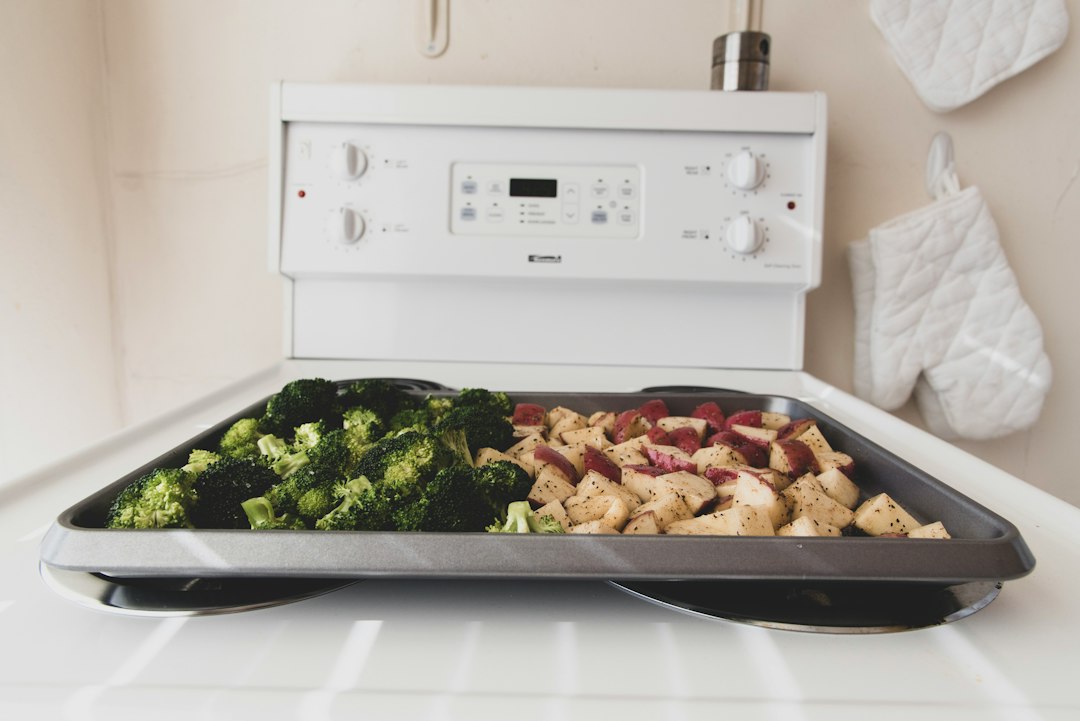
A dinner of plain grilled chicken and steamed broccoli might sound virtuous, but if it leaves you completely unsatisfied, you will likely raid the snack cabinet an hour later. A balanced dinner must deliver volume, satiety, and enjoyment.
Use the following formula for an evening plate that keeps you full until bedtime:
- 1 Palm-Sized Serving of Lean Protein: Salmon, tofu, chicken thigh, eggs, or lean beef.
- 2 Fist-Sized Servings of High-Fiber Veggies: Roasted Brussels sprouts, leafy greens, zucchini, or carrots to stretch the stomach wall and trigger physical fullness.
- 1 Cupped-Hand Portion of Complex Carbohydrates: Sweet potatoes, quinoa, brown rice, or beans. Carbs support serotonin production, which aids evening relaxation and prepares your body for sleep.
- 1 Thumb of Healthy Fats: Extra virgin olive oil, avocado, or nuts to slow gastric emptying.
3. Institute a Kitchen "Closing Time"
Boundaries reduce the cognitive load of deciding whether or not to eat. When your kitchen stays open indefinitely, every trip to the sink or living room requires an active choice to resist food.
Pick a definitive time—such as 8:00 PM or two hours before sleep—to "close" the kitchen. Perform a simple closing ritual:
- Clear and wipe down the countertops.
- Run the dishwasher.
- Turn off the main overhead kitchen light.
- Brush and floss your teeth immediately after dinner.
Brushing your teeth serves as a powerful sensory cue that eating is finished for the night. The lingering taste of mint makes most snacks unappealing, creating an intentional pause before mindless grazing begins.
Key Takeaway: Environmental design beats willpower every time. Closing down the kitchen and brushing your teeth immediately after dinner provides a definitive sensory boundary against mindless grazing.
4. Separate Television from Snacking (Dismantle the Cue-Routine Loop)
Habits consist of a cue, a routine, and a reward. For many people, sitting on the sofa and turning on the TV is the cue, grabbing a bag of chips is the routine, and sensory stimulation is the reward.
If you have spent months or years snacking while watching shows, your brain expects food the moment the screen turns on—even if your stomach is full. To reset this loop, institute a rule: all food must be consumed sitting at the dining table without screens. If you are genuinely hungry, you can eat at the table. If you only want to eat while watching TV, you are seeking entertainment, not nourishment.
Keep your hands occupied with alternative activities like knitting, sketching, stretching on a foam roller, or sipping a cup of hot herbal tea to satisfy the sensory drive without excess calories.
5. Apply the "Apple Test" for Physical vs. Emotional Hunger
When sudden cravings strike at 10:00 PM, pause and run a quick diagnostic test. Ask yourself: "Would I eat a plain, crisp apple or a hard-boiled egg right now?"
If the answer is yes, you are experiencing genuine physical hunger. In that case, eat a small, protein-rich snack (such as Greek yogurt or a handful of almonds). If the answer is no—and you only want cookies, ice cream, or salty chips—you are dealing with emotional hunger, boredom, or exhaustion. To better manage these cravings, learning how to identify emotional eating triggers gives you alternative tools to de-stress without food.
6. Support Your Gut-Brain Axis with Fermented Foods and Fiber
Your microbiome plays a surprising role in midnight cravings. Gut microbes produce signaling molecules that communicate directly with your central nervous system, influencing what foods you crave. Diets low in prebiotic fiber can alter microbial diversity, worsening insulin sensitivity and destabilizing evening blood sugar levels.
Incorporate whole food sources like sauerkraut, kimchi, kefir, oats, and chia seeds into your daily meals. Maintaining strong gut health and digestion supports steady glucose regulation and blunts erratic hunger spikes after dark.
7. Establish a Consistent Sleep Schedule
Short sleep duration is one of the most reliable predictors of overeating. Just one night of partial sleep restriction raises circulating ghrelin levels and decreases leptin, the hormone that signals fullness. Furthermore, the later you stay awake, the wider your window for late-night snacking becomes.
If you stay up until midnight or 1:00 AM, the dinner you ate at 6:30 PM has long cleared your stomach. Set a consistent bedtime that allows for 7 to 9 hours of restorative sleep, and begin winding down 45 minutes before lights out.
What to Do if You Feel Genuinely Hungry Late at Night
There will be nights when you actually need food—perhaps you completed a strenuous evening workout or worked through dinner. Forcing yourself to go to bed with a growling stomach disrupts sleep architecture and spikes early morning cortisol.
When real hunger strikes, choose a structured, 150-to-200-calorie snack combining slow-digesting protein and complex carbs:
- Cottage cheese with a sprinkle of pumpkin seeds: Rich in casein protein, which digests slowly overnight.
- Plain Greek yogurt with a half-cup of berries: Provides gut-friendly probiotics, protein, and natural sweetness without a blood sugar spike.
- A sliced apple with one tablespoon of natural almond butter: Balances fiber and healthy fats to calm hunger signals quickly.
Your Action Step for Tonight
You do not need to overhaul your entire lifestyle all at once to stop nighttime overeating. Pick one high-leverage change to execute tonight:
Tonight's Mission: As soon as you finish your evening meal, clear the table, put the dishes in the sink, and head straight to the bathroom to brush and floss your teeth. Then, step away from the kitchen and switch your evening drink to a mug of unsweetened chamomile or peppermint tea.
By establishing this simple physical boundary tonight, you break the autopilot habit loop and take the first decisive step toward calm, controlled evenings.

Written by
Nibedita Basu
English graduate and social worker with a passion for creating a warm, happy, and meaningful life. I write about Home, Food, and Pets — sharing practical ideas, everyday inspiration, and simple joys that make life more comfortable, wholesome, and fulfilling.