Few things drain your evening energy faster than cooking a wholesome meal from scratch, only to hear the dreaded refrain: "I don't like that." If you share a home with selective kids, a partner with sensory food aversions, or if you yourself struggle with stubborn texture issues, traditional batch cooking can feel like an exercise in futility. Standard meal prep advice assumes everyone happily eats four-day-old mixed casseroles or soggy roasted broccoli straight out of glass containers.
The good news? You do not have to become a short-order cook running a chaotic kitchen diner every night. Successful meal prep for picky eaters isn't about forcing everyone to love the same one-pot stew—it is about shifting from fully assembled meals to a modular, customizable system that respects food preferences while saving you hours of kitchen labor.
Key Takeaway: Stop prepping rigid, all-in-one meals. The secret to low-stress eating is modular component prep: cooking flexible base ingredients that each person can assemble according to their texture and flavor preferences.
Why Traditional Meal Prep Fails Selective Eaters
Most batch cooking tutorials instruct you to divide twenty identical portions of chili, stir-fry, or mixed grain bowls into sealed containers. For someone with selective eating habits or sensory sensitivities, this approach triggers immediate pushback for three clear reasons:
- Texture Degradation: Crisp foods turn soggy in the fridge, and mixed wet-and-dry ingredients homogenize into textures many find unpalatable.
- Loss of Agency: When ingredients are premixed, the eater loses control over their plate, increasing food anxiety.
- The "Contamination" Factor: For individuals with strong taste sensitivities, one disliked ingredient (like raw onions or mushrooms) touching a preferred ingredient ruins the entire meal.
According to the Academy of Nutrition and Dietetics guidelines on managing selective eating, offering deconstructed choices and maintaining a low-pressure environment significantly improves dietary variety over time. Shifting your meal prep approach delivers that flexibility without doubling your workload.
The 4 Golden Rules of Meal Prepping for Picky Eaters
1. Build a Modular "Component Bar"
Instead of cooking finished dishes, prep individual building blocks. When you cook chicken breast, roast potatoes, and steam green beans, store each item in its own airtight container. On busy weeknights, your fridge acts like a fast-casual salad or bowl bar. The adventurous eater can load up on spicy salsa and cilantro, while the texture-sensitive eater gets plain chicken cut into bite-sized pieces with roasted potatoes and a preferred dipping sauce.
2. Master the "Deconstruction Technique"
Any family favorite can be deconstructed. Tacos do not need to be served fully assembled; lay out tortillas, seasoned ground turkey, shredded cheese, black beans, diced tomatoes, and avocado in separate bowls. If you want to expand your family's palate, pair this strategy with proven beginner meal prep strategies that keep prep sessions under two hours.
3. The 80/20 Safe Food Ratio
Whenever you introduce a new recipe or ingredient, make sure at least 80% of the plate consists of established "safe foods"—items you know the picky eater enjoys without hesitation. If roasted zucchini is new, serve it alongside familiar chicken tenders and buttery rice. This keeps mealtime low-stress and prevents dinner strikes.
4. Separate Sauces and Dressings
Sauces make or break meals for selective eaters. Some crave bold spices; others gag at creamy dressings. Never dress proteins or grains during your prep session. Keep two to three versatile store-bought or homemade sauces in squeeze bottles in the door of your fridge (think ranch, honey mustard, mild teriyaki, or garlic tahini).
Tactical Prep Strategies for Specific Texture & Flavor Aversions
Understanding the root of pickiness helps you tailor your prep routine effectively. Most food resistance falls into predictable sensory categories:
Tackling Texture Sensitivities (Mushy vs. Crunchy)
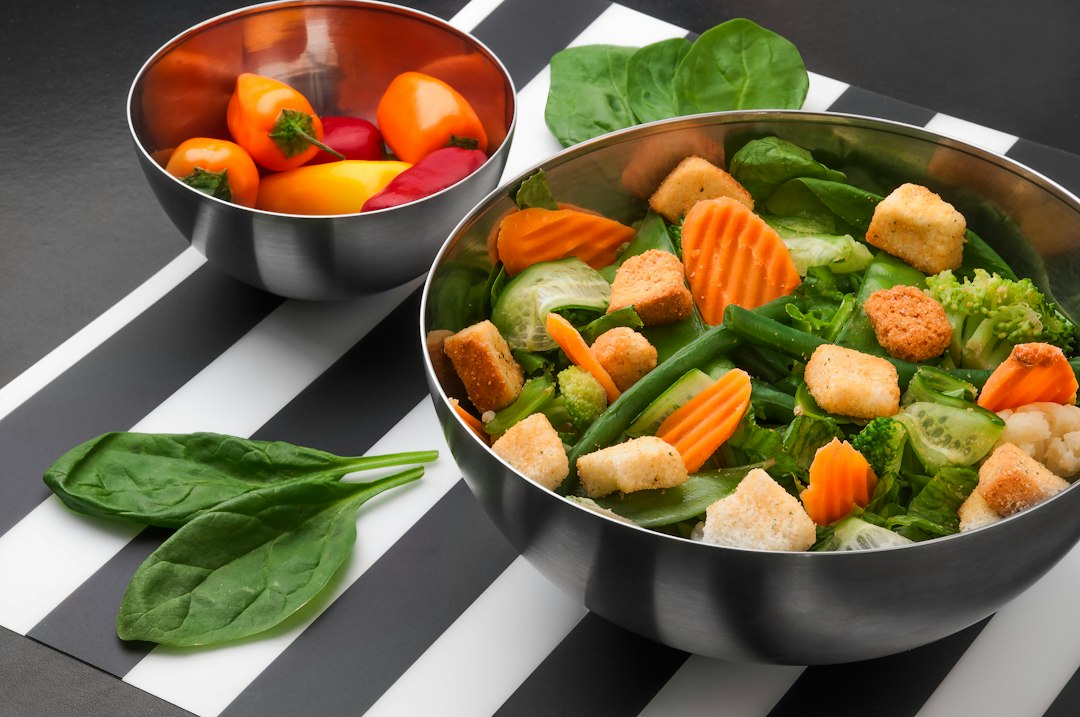
If "mushy" vegetables are the enemy, ditch boiling and steaming entirely. High-heat roasting at 425°F (218°C) with olive oil creates caramelized, crispy edges on carrots, broccoli, and cauliflower florets. Alternatively, keep raw sliced vegetables (cucumbers, baby carrots, bell pepper strips) pre-washed and stored with a damp paper towel in sealed bins to maintain maximum crispness throughout the week.
Managing the "No Touching" Rule
If touching foods cause distress, invest in 3-compartment bento-style containers or divided dinner plates. Separating wet items (fruit slices, yogurt dips) from dry starches (crackers, roasted potatoes) preserves food integrity and prevents mealtime meltdowns.
The "Flavor-Bridge" Approach
Gradually expand acceptance by bridging flavors. If an eater loves ranch dressing, use it as a vehicle for dipping raw sugar snap peas or roasted broccoli. Once the habit of eating the vegetable is established, you can slowly reduce reliance on the dip.
4 Foolproof Batch Prep Recipes Everyone Can Customize
Here are four adaptable frameworks designed specifically for households balancing different palates.
1. The Build-Your-Own Fiesta Bowl Base
This vibrant Mexican-inspired prep allows everyone to control their spice level and ingredient mixing.
- The Carb Base: 4 cups cooked white or brown rice tossed with a splash of lime juice (keep cilantro optional on the side).
- The Protein: 1.5 lbs lean ground beef or turkey seasoned with mild cumin, garlic powder, and smoked paprika. For vegetarian options, warm seasoned black beans. Check out our guide to high-protein batch cooking recipes for more bulk protein ideas.
- The Raw Veggie Toppings: Diced cucumbers, corn kernels, and shredded romaine lettuce stored in separate containers.
- The Flavor Boosters: Shredded cheddar, mild salsa, sour cream, pickled jalapeños, and sliced avocado.
Assembly Tip: Picky eaters can eat the rice, beef, and cheese separated on a plate, while adventurous eaters can build a fully loaded burrito bowl with hot salsa and jalapeños.
2. Sheet-Pan Crispy Chicken Cutlet Strips
Homemade chicken strips are the ultimate bridge food. They freeze beautifully, reheat with incredible crunch, and offer high-quality protein without artificial fillers.
- Ingredients: 2 lbs chicken breasts cut into uniform strips, 1.5 cups panko breadcrumbs, 1 tsp garlic powder, 1 tsp onion powder, 1/2 tsp salt, and 2 beaten eggs.
- Method: Dip chicken strips in egg, dredge in seasoned panko, and arrange on a wire rack set inside a rimmed baking sheet. Spray lightly with olive oil spray. Bake at 400°F (200°C) for 16–18 minutes until golden and 165°F internal temperature.
- Prep & Storage: Let cool completely before storing. Reheat in an air fryer at 375°F for 3–4 minutes to restore original crispness. Pair with pre-cut raw carrots, steamed edamame, or roasted potato wedges.
3. Customizable Deconstructed Pasta Night
Instead of tossing pasta directly with marinara or rich cream sauces, prep the components separately:
- Pasta: Cook 1 pound of penne or rotini al dente. Drain, toss with 1 tablespoon of olive oil to prevent sticking, and store chilled.
- Proteins: Pre-cooked mini turkey meatballs or grilled sliced Italian sausage.
- Sauce Options: Keep one jar of smooth marinara (no chunks) and one jar of simple Alfredo sauce warmed on the stove or portioned into small glass jars.
- Veggie Add-ins: Roasted broccoli florets or sautéed spinach kept separate for those who want to stir greens into their bowl.
4. The Grab-and-Go Bento Box Lunch
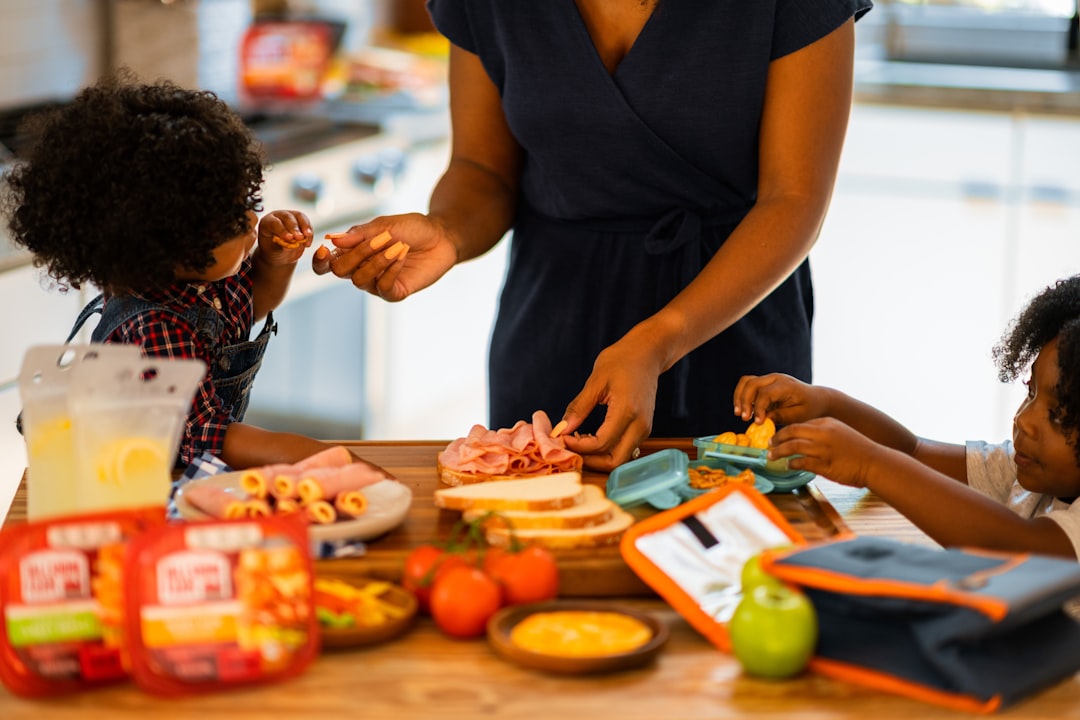
Lunch prep is notorious for food waste when picky eaters leave uneaten sandwiches behind. Bento-style snack lunches eliminate that pressure by offering variety in bite-sized portions.
- Protein: Hard-boiled eggs, rolled turkey slices, or cubed mild cheddar cheese.
- Crunch: Whole-grain crackers, pretzel sticks, or roasted pumpkin seeds.
- Produce: Seedless red grapes, apple slices tossed with light lemon juice, or sweet bell pepper matchsticks.
- Dip: Individual hummus cups or single-serve Greek yogurt tubs.
Key Takeaway: When executing meal prep for picky eaters, keep ingredients separated until the moment of serving. Reheating proteins and grains separately ensures textures stay intact and allows each diner to customize their portion.
Smart Storage & Reheating Tips to Preserve Textures
How you store and reheat your food matters just as much as how you cook it. Selective eaters are hyper-sensitive to changes in texture that occur after refrigeration.
| Food Type | Storage Best Practice | Optimal Reheating Method |
|---|---|---|
| Breaded Proteins (Nuggets, Cutlets) | Airtight container with a dry paper towel on the bottom | Air fryer (375°F for 3–5 min) or toaster oven |
| Grains (Rice, Quinoa) | Sealed glass container; sprinkle with 1 tsp water before microwaving | Microwave covered with a damp paper towel for 60 seconds |
| Roasted Vegetables | Shallow container; avoid overcrowding to prevent moisture buildup | Dry skillet over medium-high heat or 400°F oven for 5 minutes |
| Fresh Cut Veggies & Fruit | Glass storage bins lined with damp cloth; keep fruit and veggies separate | Serve chilled straight from the fridge |
For more organization strategies that extend the shelf life of your ingredients, explore our comprehensive guide on kitchen storage and organization tips.
Your Action Step for Today: The 15-Minute "Safe Food" Audit
Transforming your meal routine does not require an entire weekend overhaul. Start small today with this simple 15-minute exercise:
- Grab a notepad and create three columns: Proteins, Carbohydrates, and Fruits/Vegetables.
- List 3–4 items in each category that everyone in your home reliably eats without complaint (e.g., chicken tenders, ground beef, rice, pasta, apple slices, baby carrots).
- Pick one protein, one carb, and two produce items from your list to prep in bulk this week using the modular method.
By mastering component-based meal prep for picky eaters, you will eliminate dinner table power struggles, slash your grocery waste, and finally reclaim your weeknight evenings.

Written by
Nibedita Basu
English graduate and social worker with a passion for creating a warm, happy, and meaningful life. I write about Home, Food, and Pets — sharing practical ideas, everyday inspiration, and simple joys that make life more comfortable, wholesome, and fulfilling.