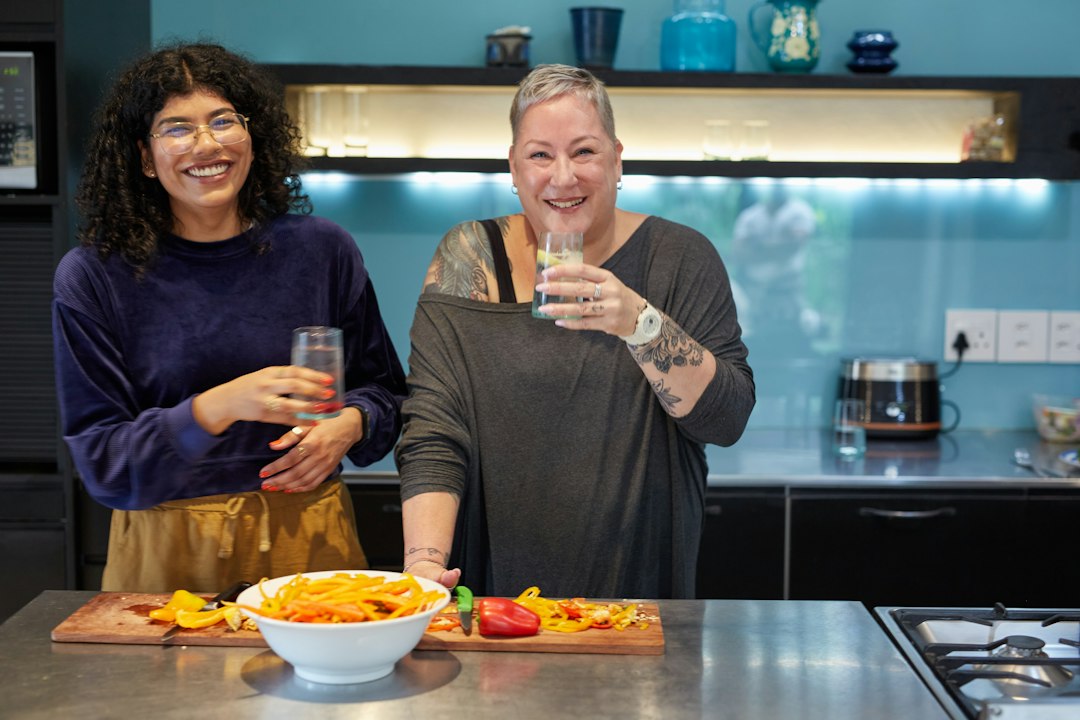
Most meal prep advice is built for two extremes: single fitness enthusiasts willing to eat ten identical containers of dry chicken and rice, or suburban families of five feeding a small army. If you cook for a two-person household, following standard recipes usually leaves you with two frustrating outcomes: crippling leftover fatigue by Wednesday, or a crisper drawer full of liquified greens by Sunday.
According to estimates from the USDA on food waste, an estimated 30 to 40 percent of the food supply in the United States goes uneaten, with home kitchens driving a major share of that loss. When cooking for two, buying in bulk often turns into an expensive composting experiment.
The solution is small batch meal prep—a flexible, modular system designed to give two people varied, vibrant meals in under 60 minutes of weekly prep, all while keeping your grocery bill and food waste near zero.
Key Takeaway: Successful two-person meal prep is not about assembling 10 identical pre-portioned containers. It is about prepping versatile ingredients (components) that transform into 3 to 4 distinctly different meals throughout the week.
The 3 Big Mistakes Couples Make When Meal Prepping
Before diving into the system, let’s diagnose why cooking for two often feels harder than cooking for four.
1. Cooking Full-Sized 6-Serving Casseroles
Classic meal-prep recipes (lasagnas, enchilada bakes, giant pots of chili) are formulated for large families. For two people, a 9x13-inch pan means eating the exact same dinner for four consecutive nights. Leftover burnout sets in around night three, leading to impromptu takeout orders while the remaining portions spoil in the fridge.
2. Buying Produce in "Single-Recipe" Quantities
You buy a whole head of celery for two tablespoons in a soup, a bunch of cilantro for taco garnish, and a bag of carrots for a side dish. By Friday, 70% of those aromatics and herbs have wilted. Two-person households must cross-utilize produce across multiple flavor profiles.
3. Assembling Fully Finished Meals Too Far in Advance
Dressed salads get soggy, cooked fish turns rubbery when reheated, and delicate sauces separate. Instead of making complete ready-to-eat dishes, smart healthy grocery shopping strategies pair best with component preparation.
The Component Method: The Engine of Small Batch Meal Prep
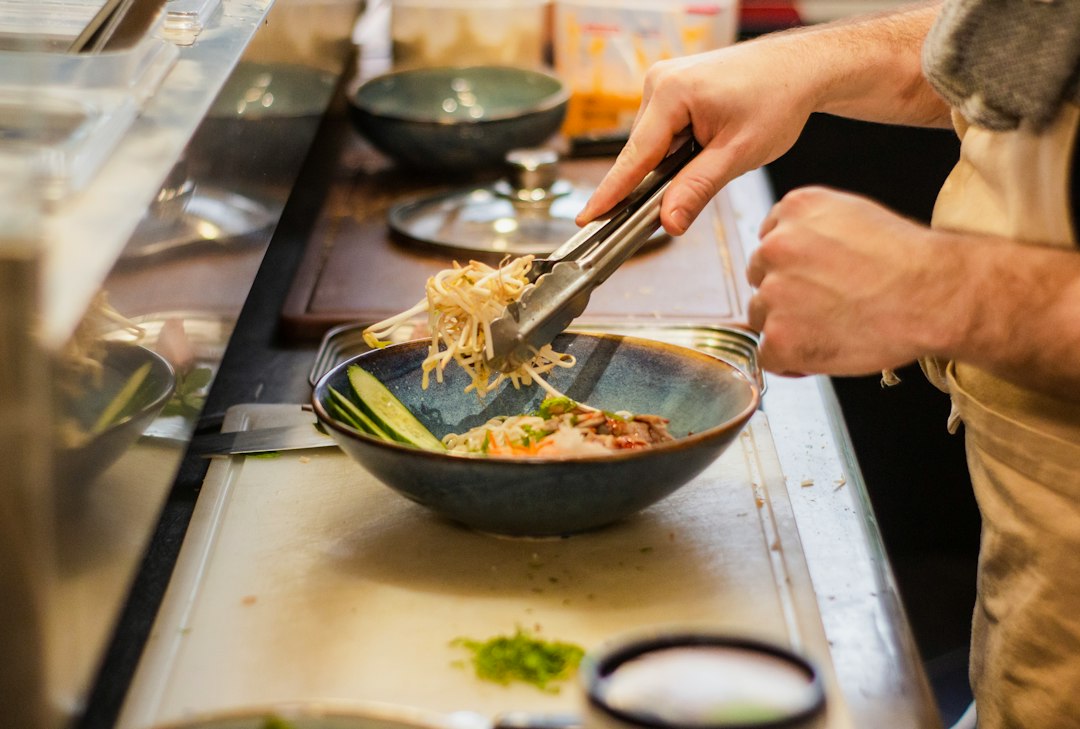
When implementing small batch meal prep, component cooking is your secret weapon. Rather than building complete meals, you prep foundational building blocks that mix and match in 10 minutes or less on busy weeknights.
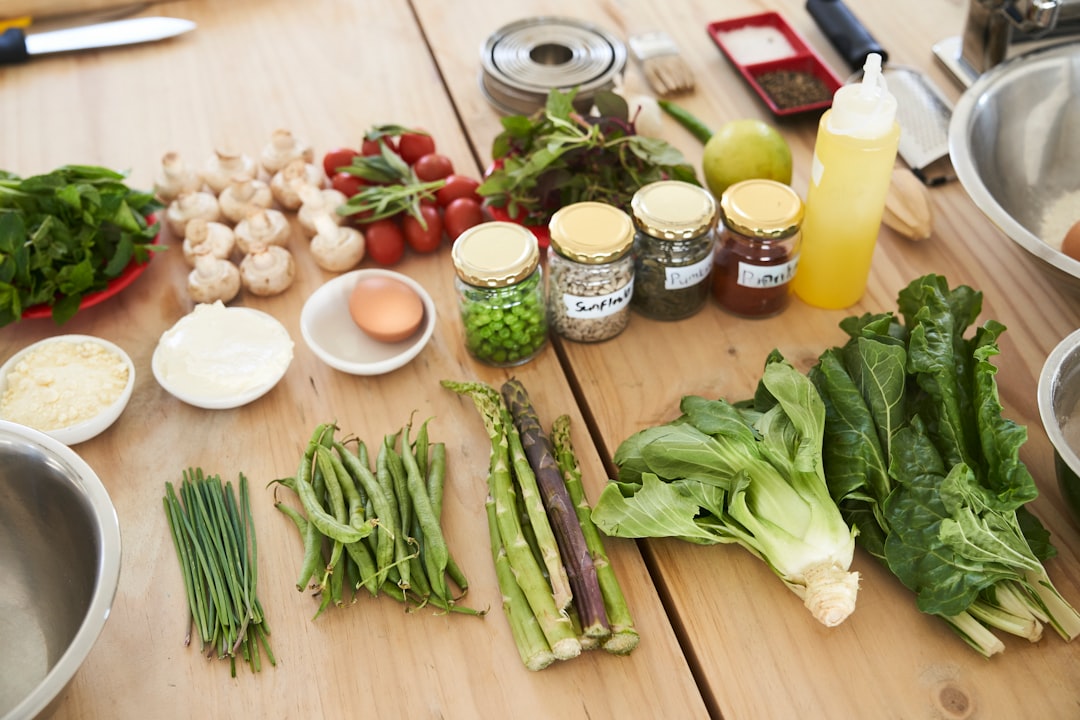
Here is the anatomy of a weekly component prep session for two:
- Two Protein Bases: For example, 1.5 lbs of marinated grilled chicken thighs and 1 can of seasoned crispy chickpeas (or baked tofu).
- Two Complex Carbohydrates: A batch of quinoa or jasmine rice, plus a tray of roasted sweet potato wedges.
- Two Roasting Veggies: One sheet pan of broccoli florets and zucchini rounds tossed in olive oil, salt, and pepper.
- One "Universal" Fresh Element: A sturdy green base like shaved Brussels sprouts or massaged kale that holds up in the fridge for 4–5 days.
- Two Flavor Punch Sauces: A jar of lemon-tahini dressing and a tub of chimichurri or spicy peanut sauce.
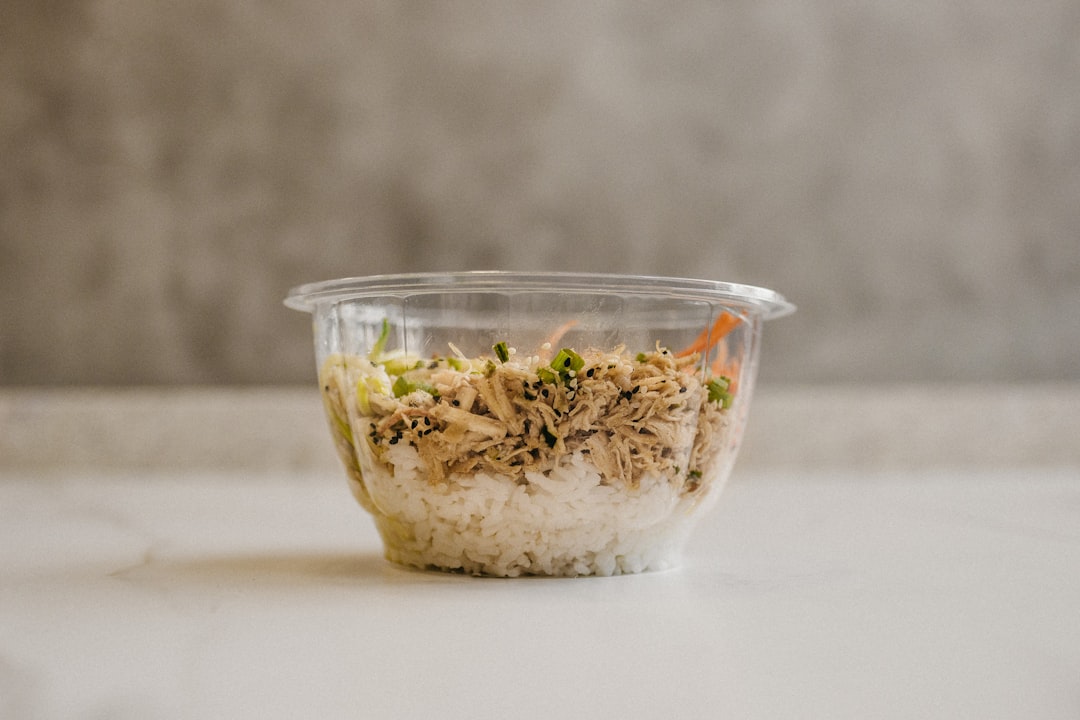
With these elements in your fridge, you aren't stuck eating "Chicken & Rice" all week. On Monday, combine chicken, quinoa, roasted broccoli, and lemon-tahini for a Mediterranean grain bowl. On Tuesday, combine chicken, sweet potatoes, greens, and chimichurri for a vibrant warm salad. On Wednesday, toss the chickpeas with rice, broccoli, and peanut sauce for an aromatic Thai-inspired bowl.
The "2+2" Weekly Dinner Strategy
For most two-person households, committing to cook five full dinners from scratch is unrealistic, while cooking just once leaves you bored. The sweet spot is the 2+2 Rule:
- Cook Once, Eat Twice (Meal A): Cook a 4-serving meal on Monday night that tastes even better the next day (e.g., Thai red curry, lentil stew, or turkey bolognese). Enjoy dinner together Monday, and eat the remaining two servings on Tuesday.
- The Pivot Meal (Meal B): On Wednesday, use your prepped components to assemble a 15-minute dinner with zero cleanup.
- Cook Fresh (Meal C): Cook a fast 2-serving meal on Thursday that does not generate leftovers (e.g., pan-seared salmon with a quick side or skillet fajitas).
- Friday Smorgasbord: Clear the fridge using the remaining components, dips, and produce in a "kitchen sink" frittata, grain bowl, or flatbread pizza.
Key Takeaway: The 2+2 framework reduces active cooking nights to just two, reserves one night for rapid component assembly, and guarantees zero food waste heading into the weekend.
How to Buy and Store Perishables Without Waste
The secret to waste-free cooking for two lies in how you handle fresh ingredients. Here is how to keep your perishables crisp and usable all week:
Shop the Salad Bar for Small Portions
Need half an onion, two radishes, and a handful of mushrooms for a recipe? Skip the pre-packaged bags and hit the grocery store salad bar. While the price per pound is slightly higher, you spend $1.50 for the exact amount you need rather than $6.00 on whole packages that end up discarded. Pair this habit with our guide to budget-friendly meal planning to cut your weekly grocery bill drastically.
Upgrade Your Produce Storage
Moisture is the enemy of greens, while dehydration is the enemy of root vegetables:
- Fresh Herbs: Treat soft herbs (cilantro, parsley, mint) like fresh flowers. Trim the stems, place them upright in a jar with an inch of water, and loosely cover the tops with a silicone or plastic bag in the fridge.
- Berries and Greens: Line glass storage containers with a clean paper towel or thin cotton tea towel to absorb excess humidity.
- Hard Vegetables: Keep carrots, celery, and radishes in airtight containers submerged in clean water (change every 3 days) to keep them crunchy for weeks.
Befriend the Freezer Stash
Never let the final third of a loaf of sourdough, a can of tomato paste, or extra chipotle peppers in adobo die in the fridge. Portion remaining tomato paste onto parchment paper in 1-tablespoon dollops, freeze solid, then transfer to a freezer bag. Slice whole loaves of bread and freeze immediately; individual slices toast straight from frozen with no quality loss.
Sample 5-Day Small Batch Meal Prep Plan for Two
To see how small batch meal prep functions in real life, here is a practical weekly blueprint for two adults:
Sunday Prep (60 Minutes Active Time)
- Cook 2 cups dry farro or brown rice in a broth base.
- Roast 2 large sweet potatoes (cubed) and 1 lb green beans on a single sheet pan at 400°F (200°C) for 25 minutes.
- Pan-sear or bake 1.5 lbs chicken breasts or extra-firm tofu with a smoky garlic rub.
- Whisk a quick cilantro-lime vinaigrette and a creamy garlic-herb sauce.
The Week's Menu
- Monday Dinner: Warm farro bowls with sliced chicken/tofu, roasted sweet potatoes, green beans, and garlic-herb sauce (2 servings).
- Tuesday Lunch: Chilled farro salad using leftover grains, greens, raw cucumber, and cilantro-lime dressing (2 servings).
- Tuesday Dinner: 20-minute sheet-pan sausage and peppers (cooked fresh; makes 4 servings).
- Wednesday Lunch: Remaining sheet-pan sausage and peppers (2 servings).
- Wednesday Dinner: Quick skillet black bean quesadillas with avocado and salsa (made to order, 2 servings).
- Thursday Dinner: Lemon-garlic butter pasta tossed with leftover roasted veggies, shredded chicken/tofu, and parmesan (2 servings).
- Friday Dinner: "Clean Out the Crisper" flatbreads or frittata.
Notice how every ingredient pulls double duty, and nothing sits in a storage container for more than three days. For those focusing on digestive health and balanced macros, pairing this routine with gut health nutrition tips ensures you meet your fiber targets effortlessly without digestive overload.
Your Action Step for Today
You don't need to overhaul your entire kitchen routine this afternoon. Start with one simple habit today:
Open your refrigerator right now and identify 2 perishable items nearing the end of their lifespan. Chop and roast them on a sheet pan tonight, or freeze them into smoothie portions before they turn. Once you see how easy it is to save small quantities, you'll be ready to embrace full small batch meal prep next week.

Written by
Nibedita Basu
English graduate and social worker with a passion for creating a warm, happy, and meaningful life. I write about Home, Food, and Pets — sharing practical ideas, everyday inspiration, and simple joys that make life more comfortable, wholesome, and fulfilling.